Sanctuary adoption
Documented care history, known needs, and a supervised first-bond period.
⌖ First Reed Sanctuary
- Cost
- Low fee · low risk
- Record
- Clear provenance and Registry support

“Welcome to First Reed. The work board is open, the placement rooms are quiet, and I can point you toward whichever posting you mean to take.”
Review the postings below, choose a companion if the work calls for one, and begin at this desk. Anything already underway is kept in My Activities.
Each route records its provenance, first-bond state, costs, and consequences.
Documented care history, known needs, and a supervised first-bond period.
Earn trust during a timed encounter and prepare for the habitat the creature actually needs.
Investigate a route, extract a creature safely, then complete rehabilitation before bonding.
Buy through forged papers, keep intercepted cargo, or deal directly with an unlicensed handler.
Founding records and reconciled field dossiers share one public catalog. Availability still comes from finite, location-owned creature cases.
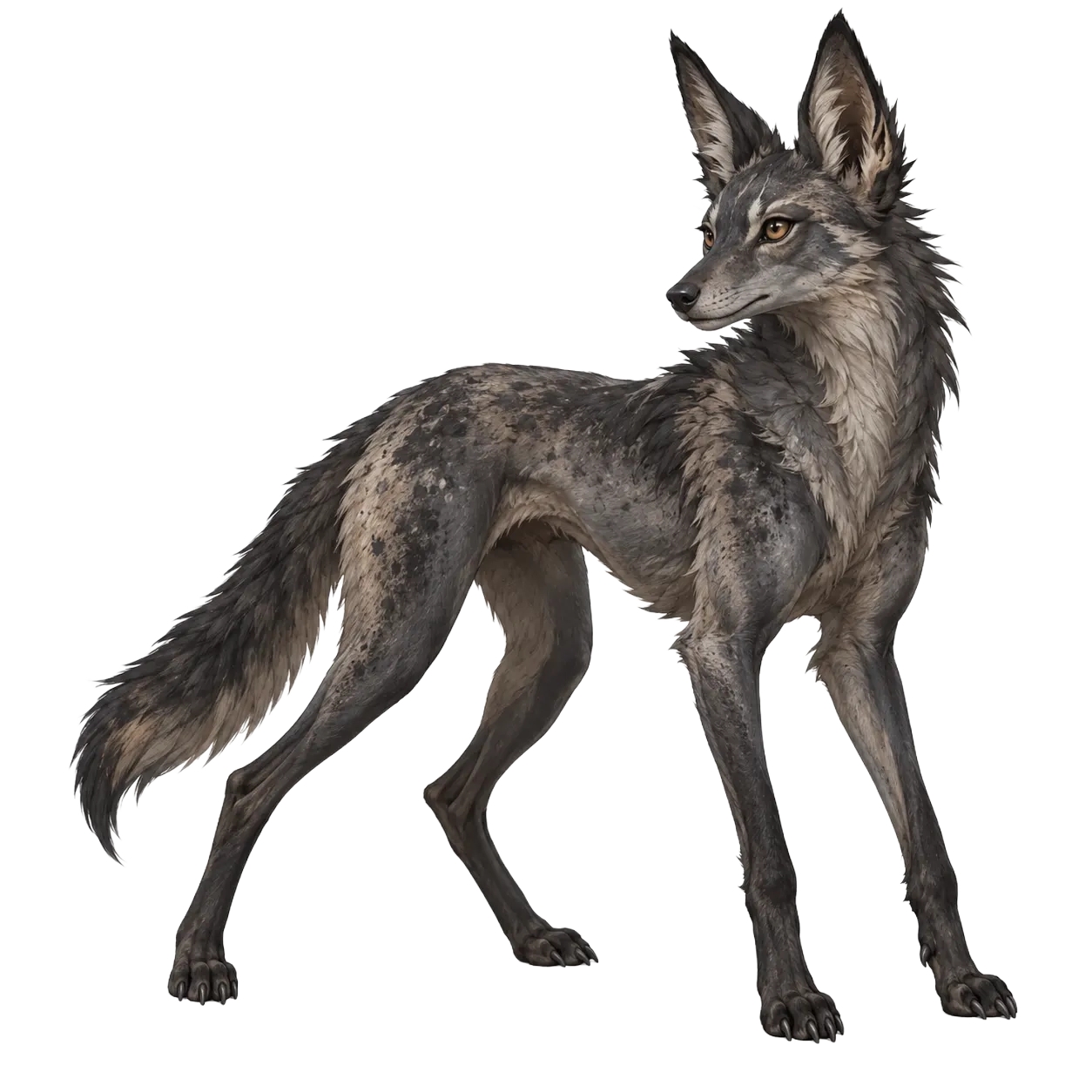 FIELD DOSSIER
Ashrunner are long-legged fenborn with wide splayed toes and closable nostrils adapted for loose ash. They travel in small bands, sprinting between cooler stone islands while feeding on insects and heat-tolerant scrub.
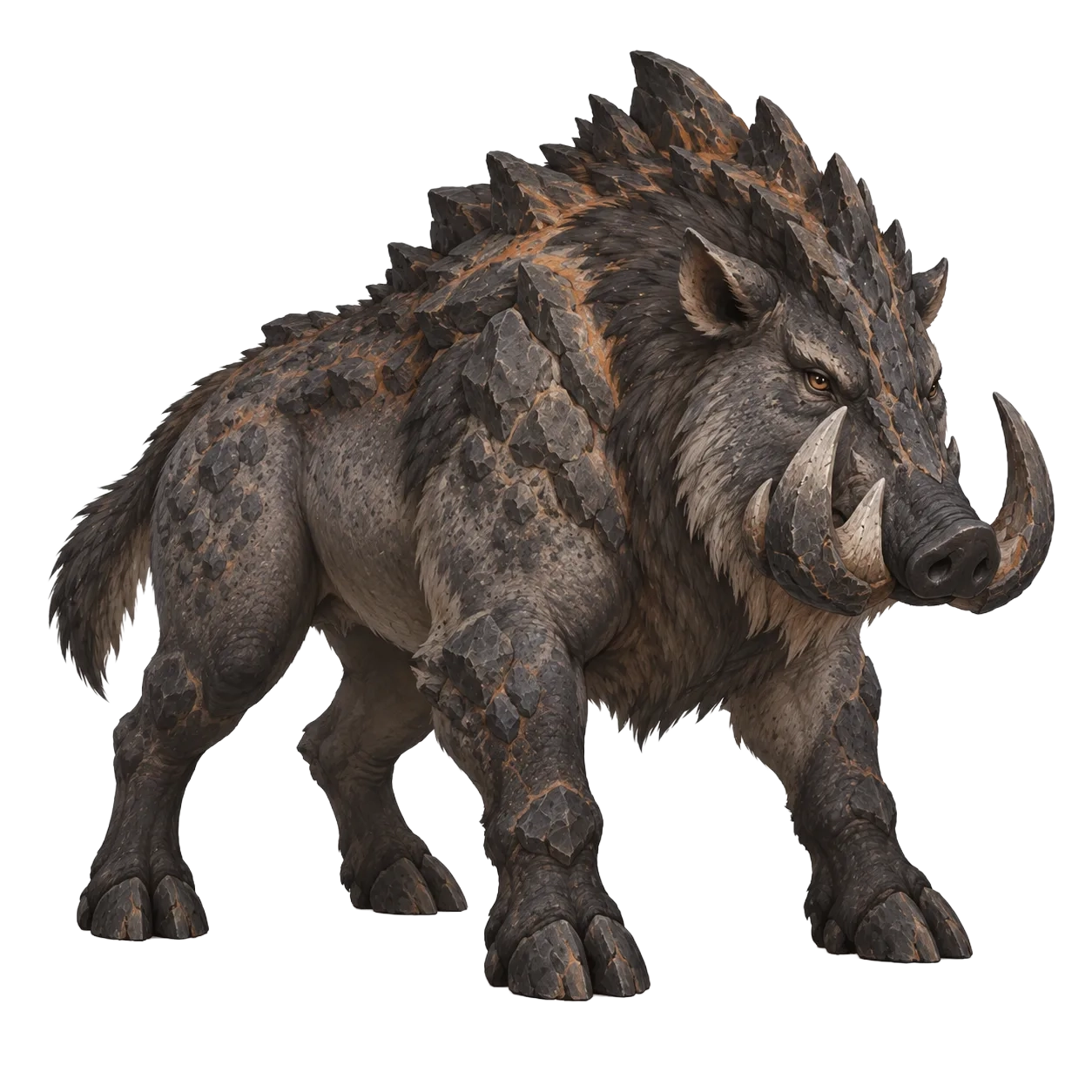 FIELD DOSSIER
Basaltusk are huge tunnel-dwelling fenborn with continuously growing mineralized tusks. They use the tusks to pry fractured basalt apart, enlarging passages to reach mineral deposits and cool sleeping chambers.
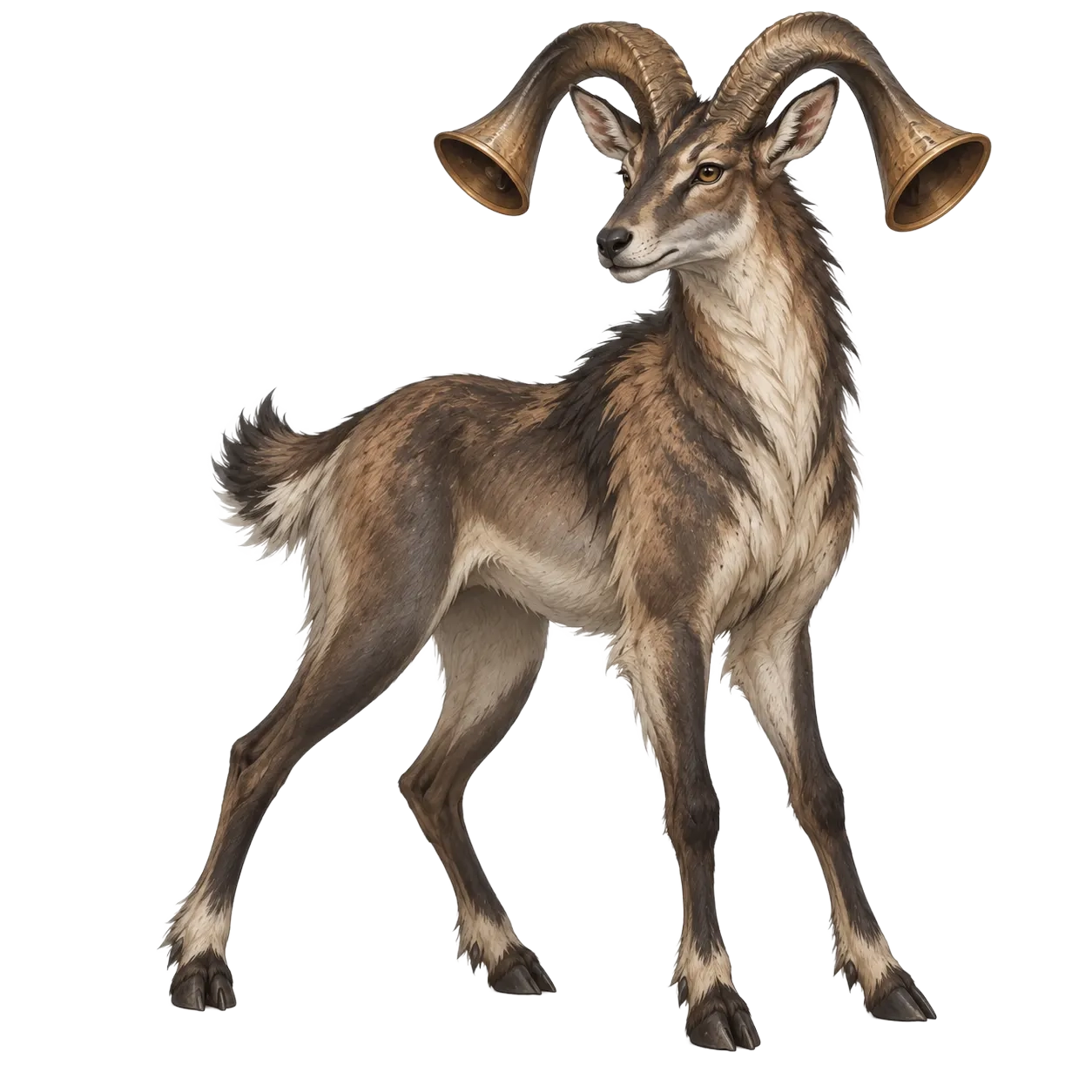 FIELD DOSSIER
Bellhorn are sure-footed mountain fenborn with hollow horn chambers that resonate during head shakes and low calls. Herds use different tones to stay coordinated across fog, snowfall, and broken terrain.
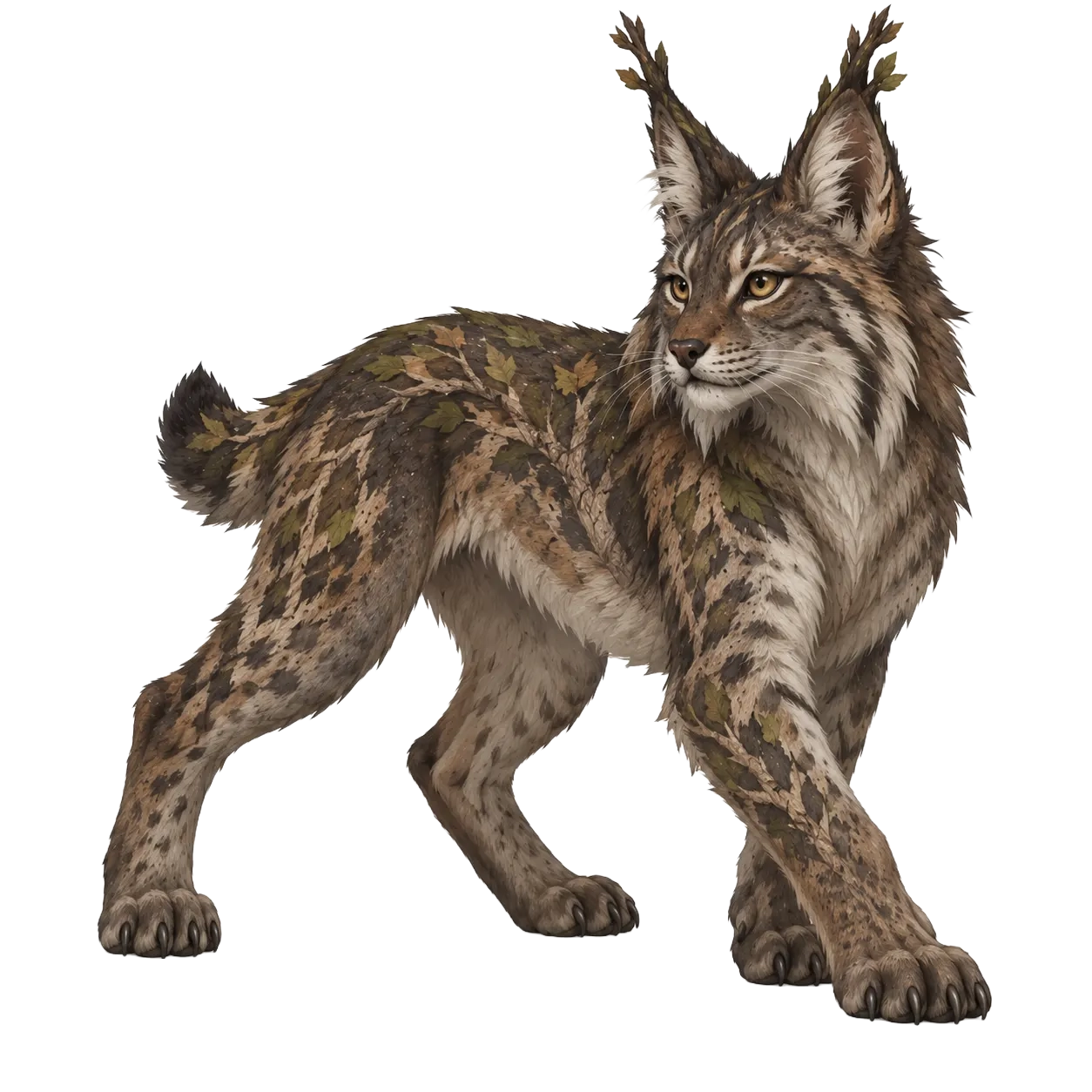 FIELD DOSSIER
Boughlynx are arboreal ambush fenborn with rotating ankle joints and a membrane along the flanks that stabilizes long drops between trees. Their mottled coat changes appearance as the guard hairs lie flat or stand upright.
 FIELD DOSSIER
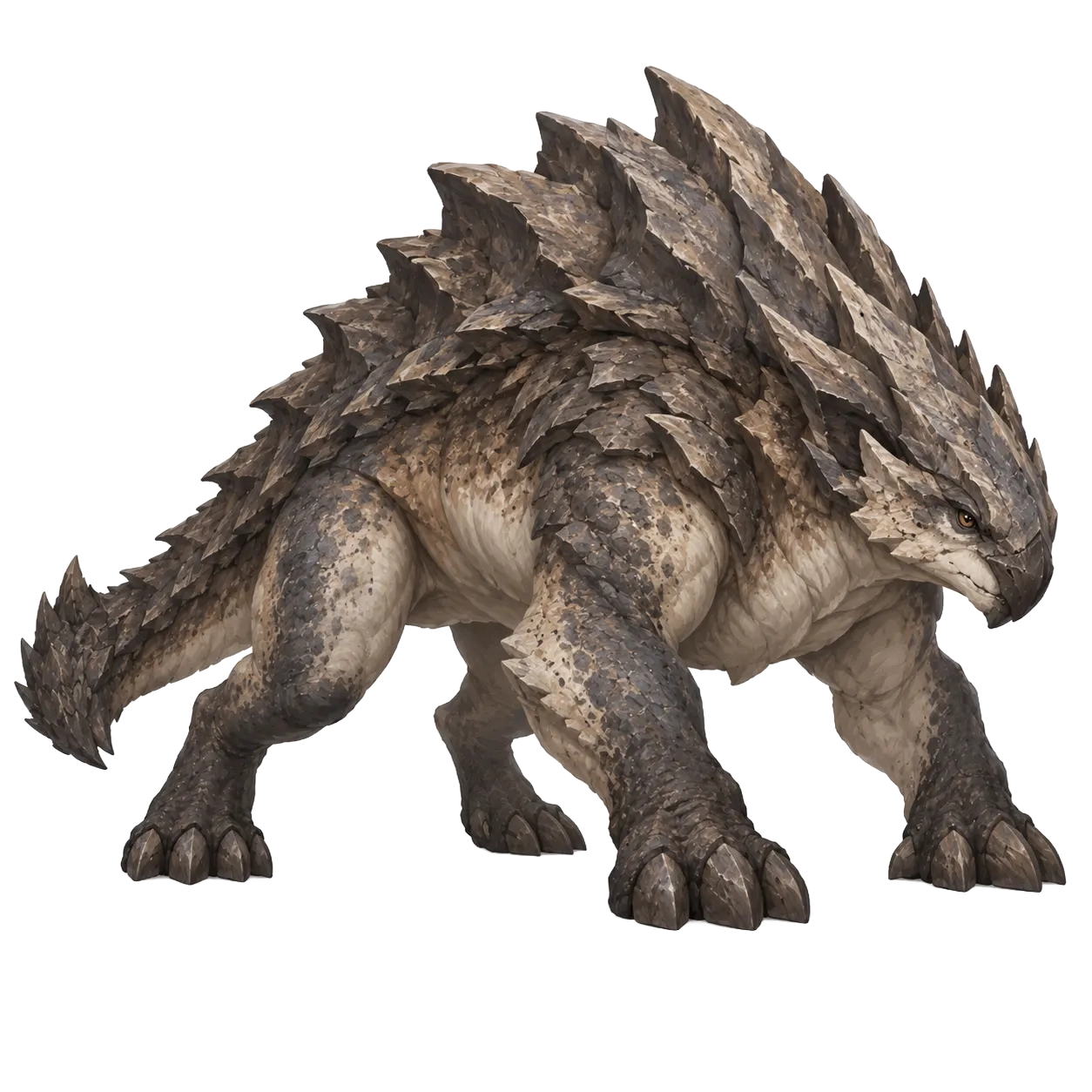
Breakerback are enormous semi-aquatic fenborn with a flexible armored spine and broad webbed feet. They brace into breaking surf to feed on dislodged shellfish and can remain stable where smaller animals are swept away.
 FIELD DOSSIER
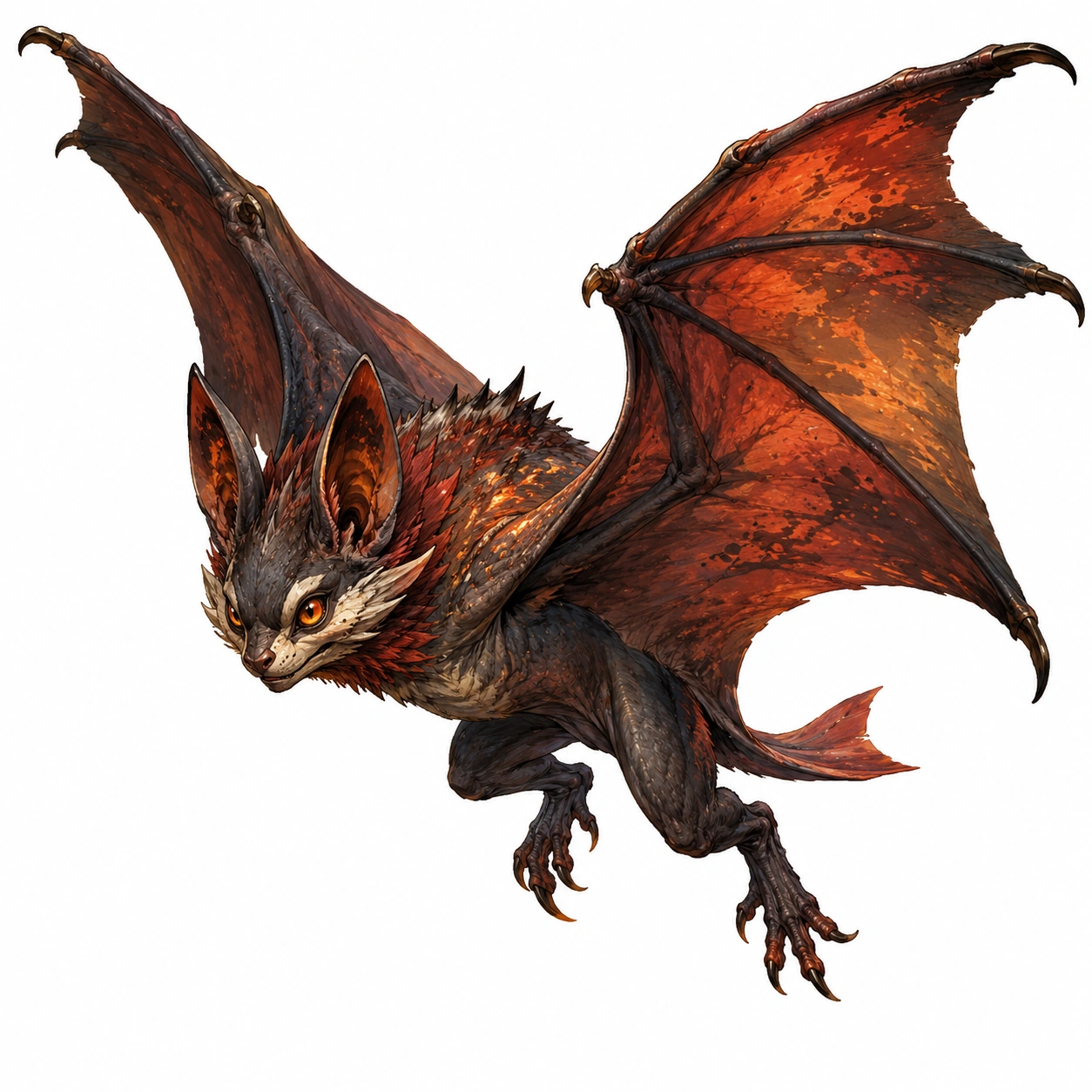
Cinderkite are batlike gliding fenborn with long heat-resistant wing fingers and pale sensory patches around the muzzle. Colonies emerge into warm updrafts at dusk to hunt dense swarms of vent-associated insects.
 FIELD DOSSIER
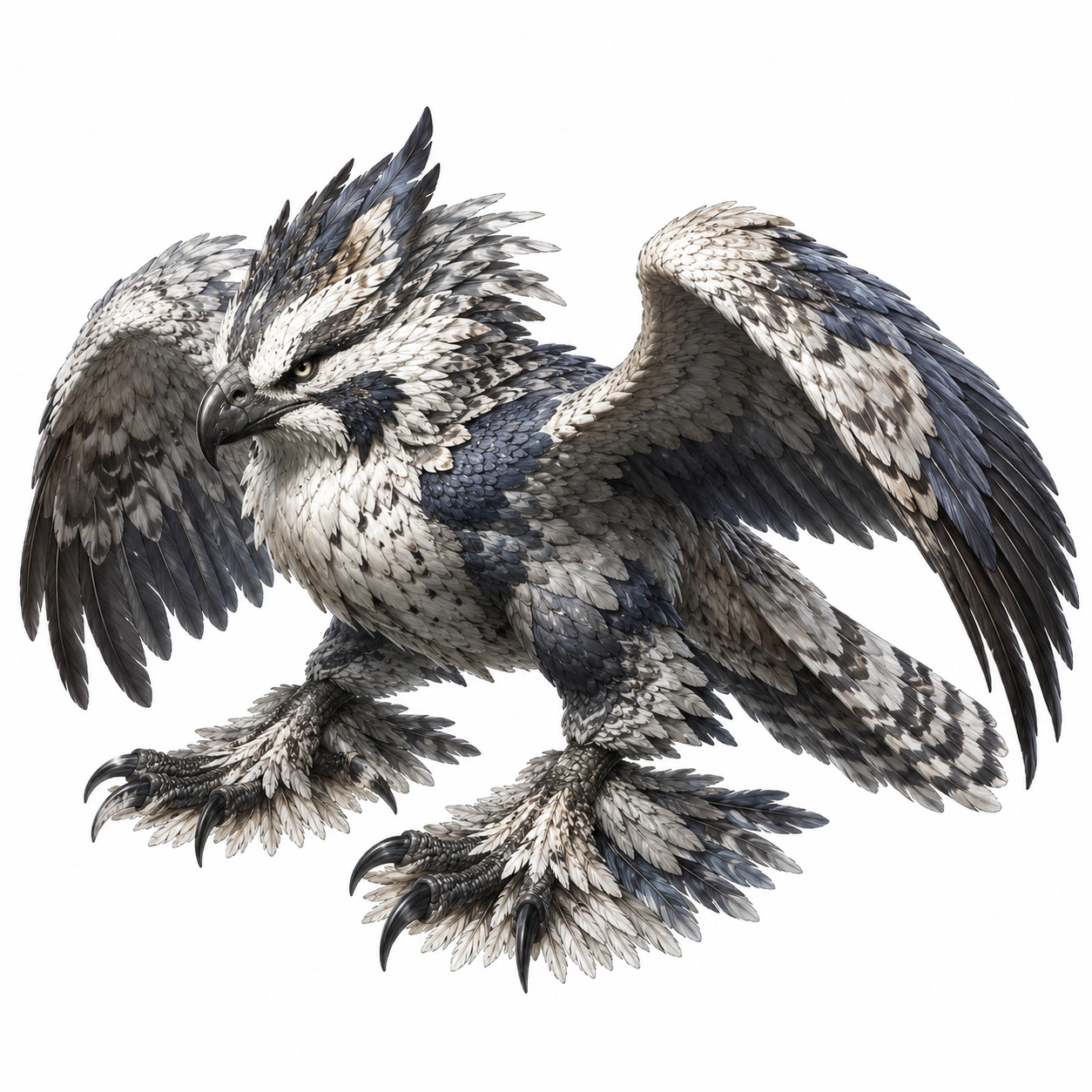
Driftwing are compact feathered fenborn with broad low-speed wings and heavily fringed feet. They ride slope winds close to the snow surface, dropping suddenly to seize rodents exposed by shifting drifts.
 FIELD DOSSIER
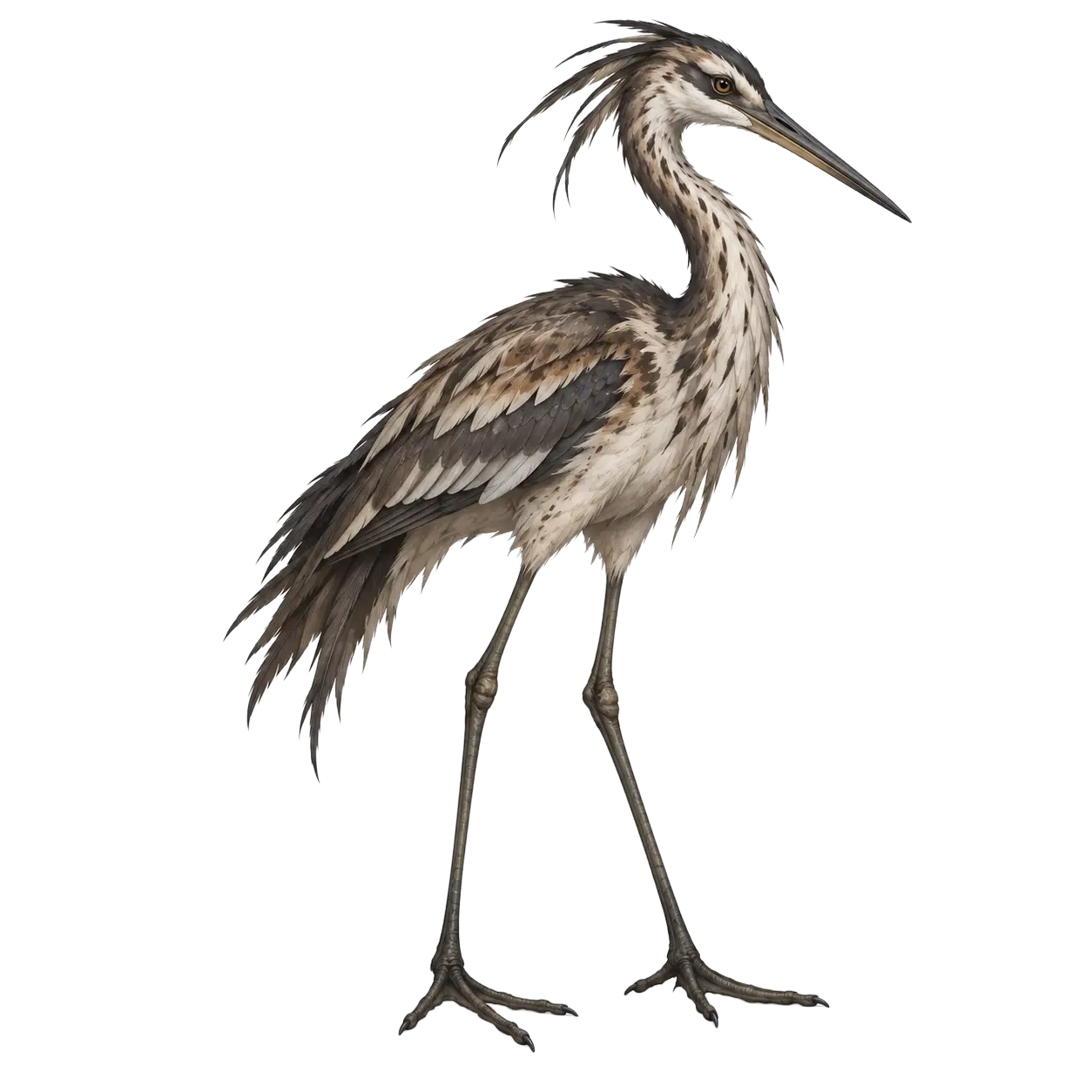
Fenstilt are tall wading fenborn with spring-loaded legs, narrow probing beaks, and independently flexing toes that spread their weight across unstable mud. They are highly visual and communicate with abrupt wing and neck displays.
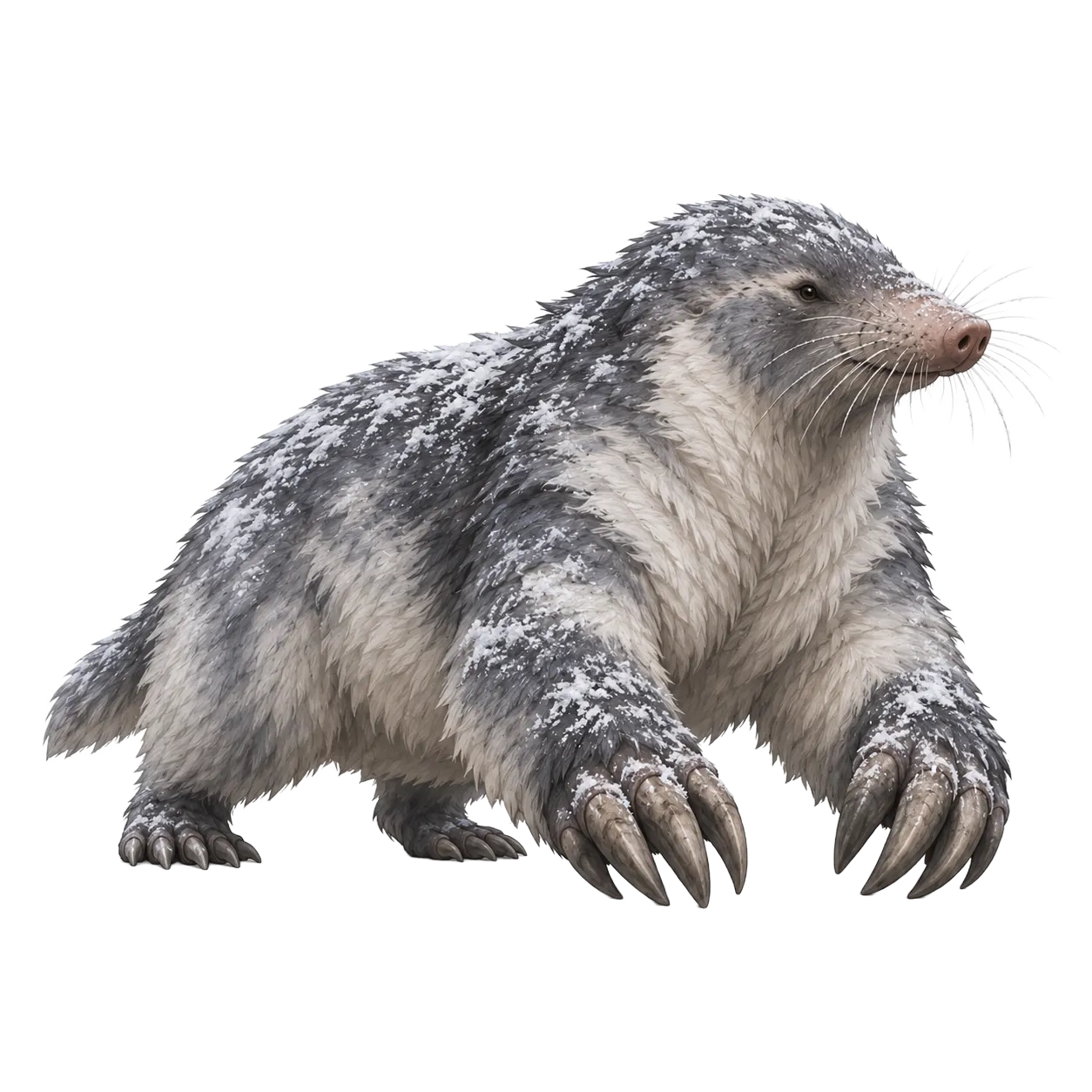 FIELD DOSSIER
Frostmole are powerful burrowing fenborn with broad foreclaws and blood-vessel countercurrent systems that keep the digging limbs warm. They tunnel beneath snow rather than through frozen mineral soil whenever possible.
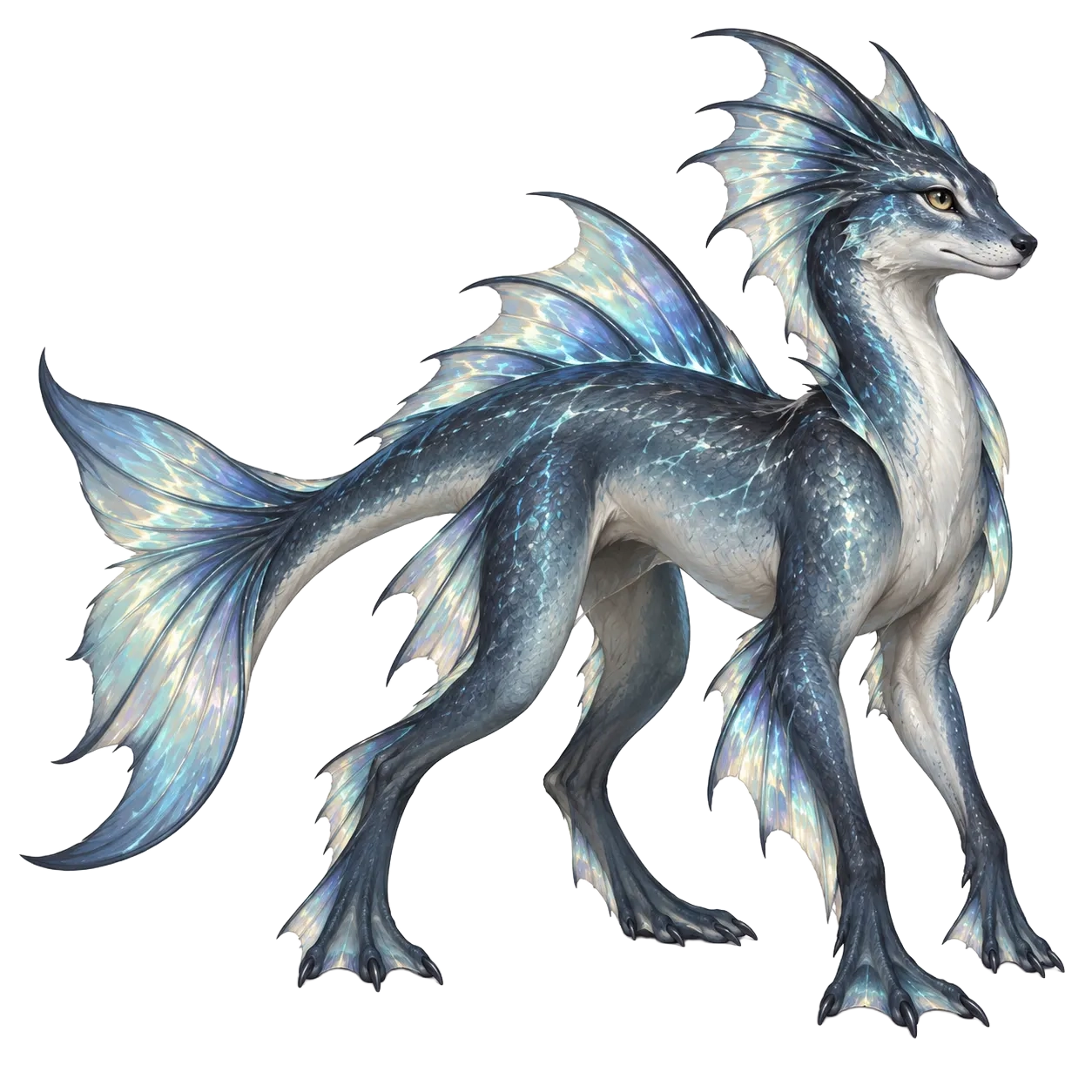 FIELD DOSSIER
Glimmerfin are small amphibious shoaling fenborn with reflective lateral scales and flexible fin-limbs that let them cross short stretches of saturated mud between pools. Their synchronized flashes coordinate schools in stained water.
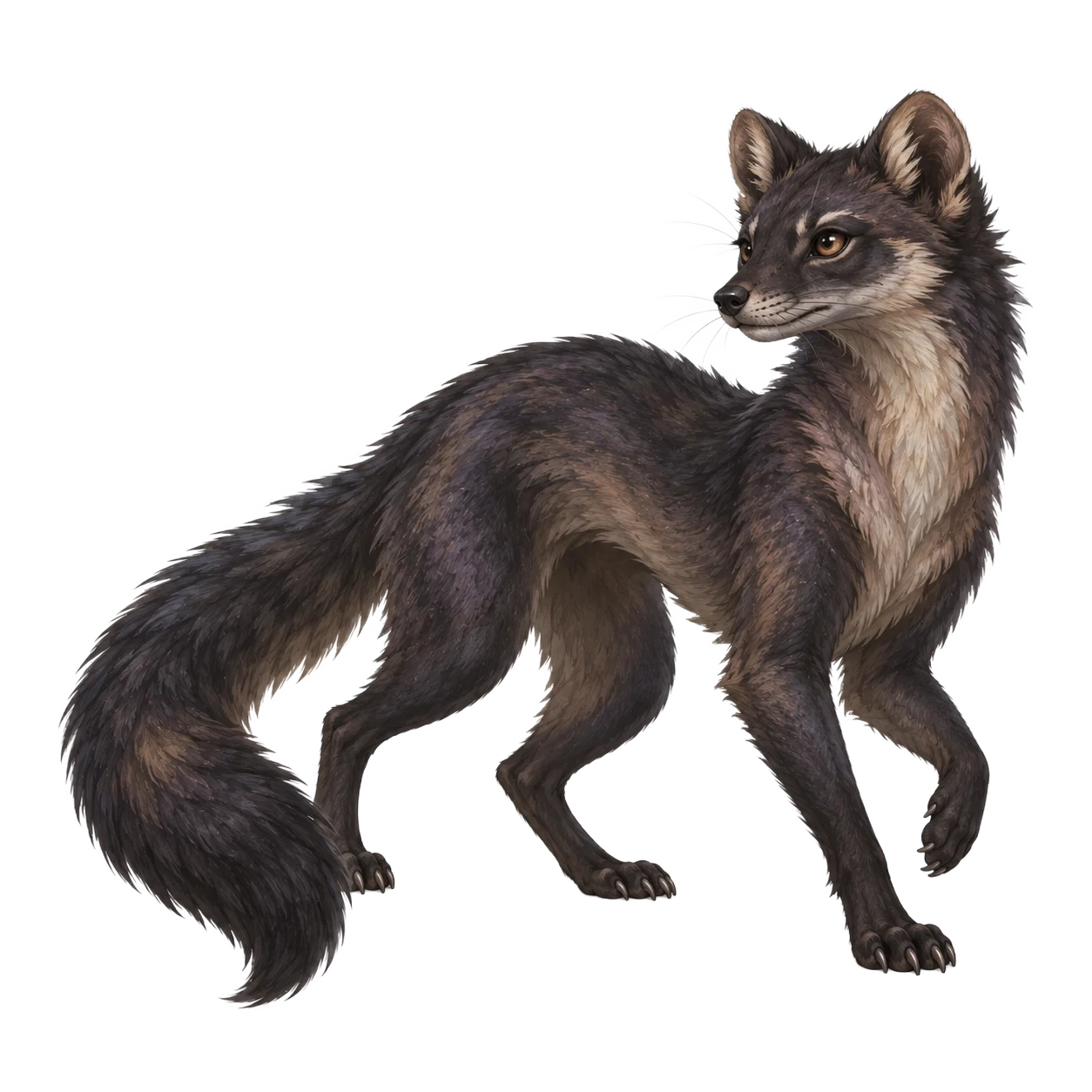 FIELD DOSSIER
Gloammarten are cold-city fenborn that detect tiny temperature differences through dense facial whiskers. They patrol utility networks for rodents and repeatedly sleep near warm junctions without chewing cables or insulation.
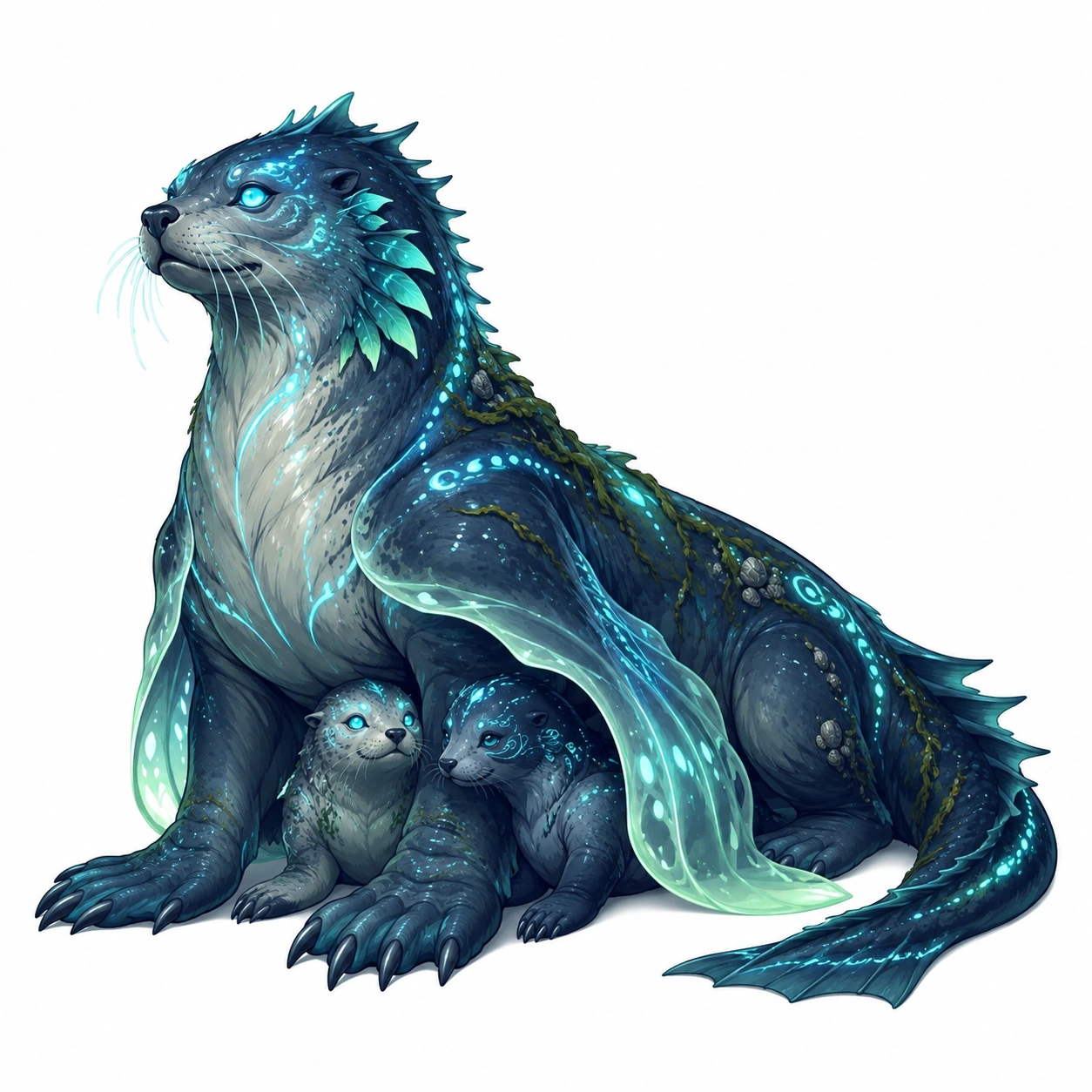 FIELD DOSSIER
Havamor are broad coastal fenborn with powerful forelimbs, protective membranes, and a social tendency to carry unrelated juveniles toward nursery shelter.
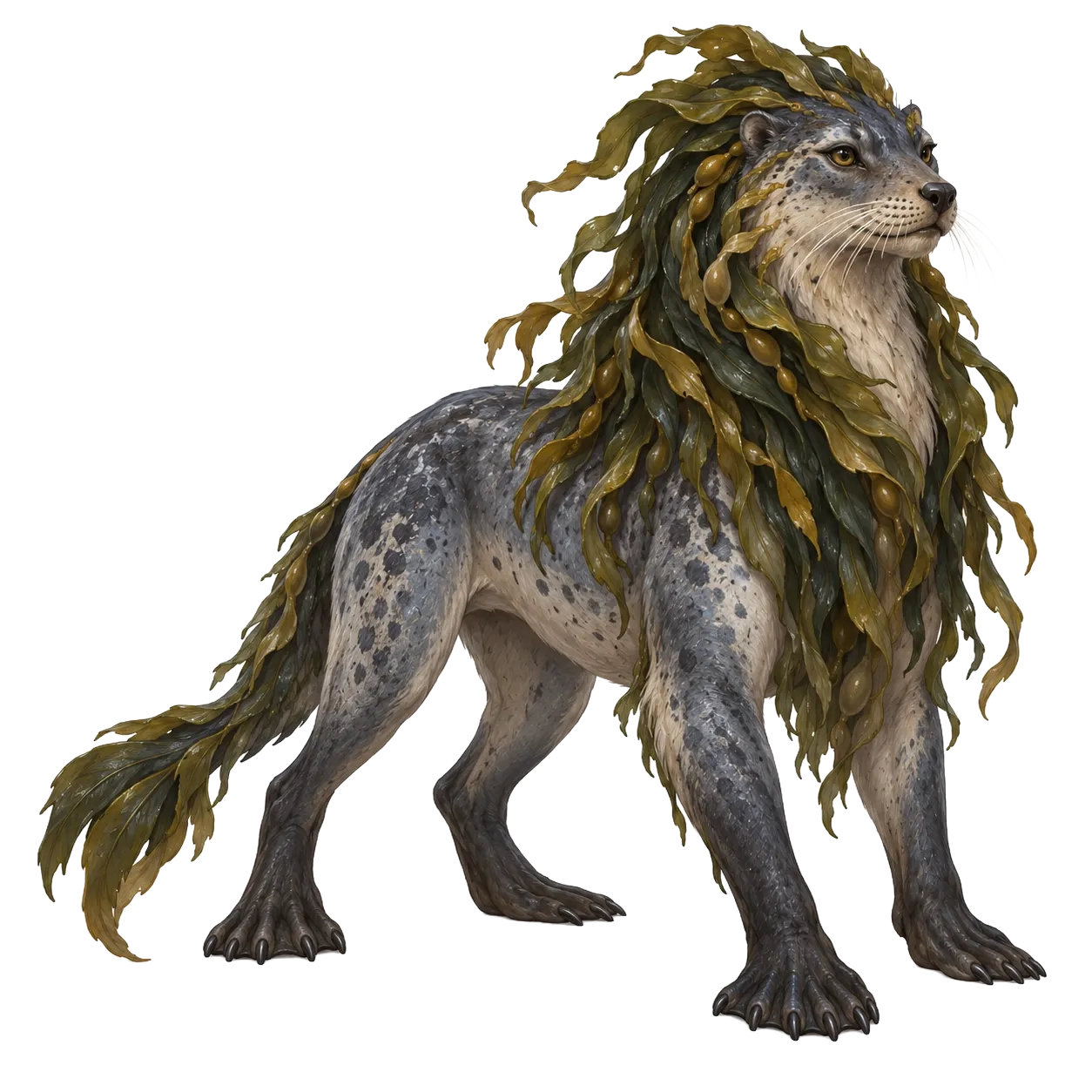 FIELD DOSSIER
Kelpmane are muscular coastal fenborn with long ribbon-like neck filaments that resemble kelp blades when held motionless. They graze epiphytes from living kelp and use powerful forelimbs to anchor in surge.
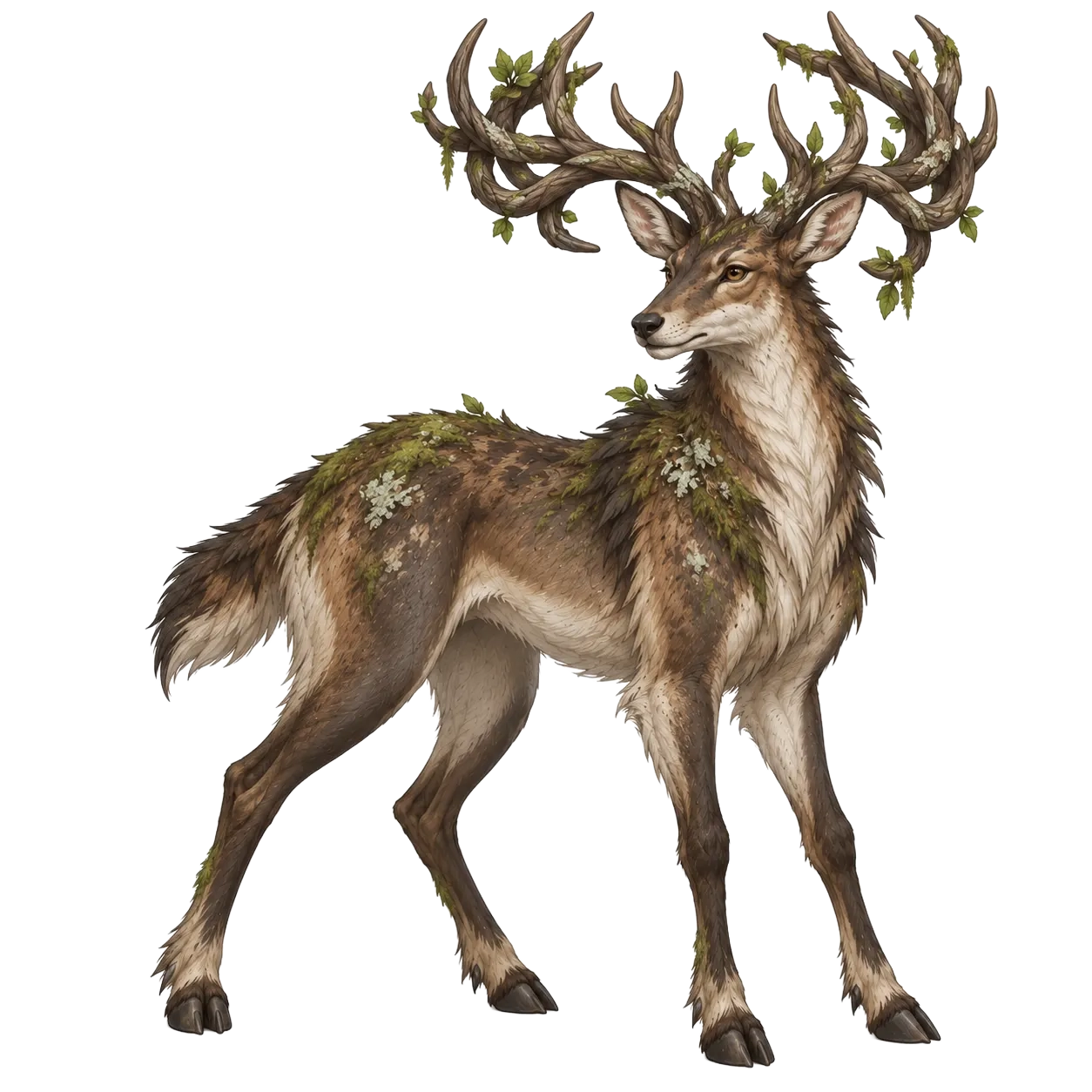 FIELD DOSSIER
Knotstag are stocky forest grazers whose antlers grow in dense interlocking forks. The structures are used to rake vine mats, expose mineral soil, and wrestle rivals without the long piercing tines typical of open-country deer.
 FOUNDING SPECIES
Lumendoe are gentle, watchful Lumaweald fenborn whose hollow reflective hairs scatter low Current-light. They are associated with finding stranded travelers, but choose their own routes and bonds.
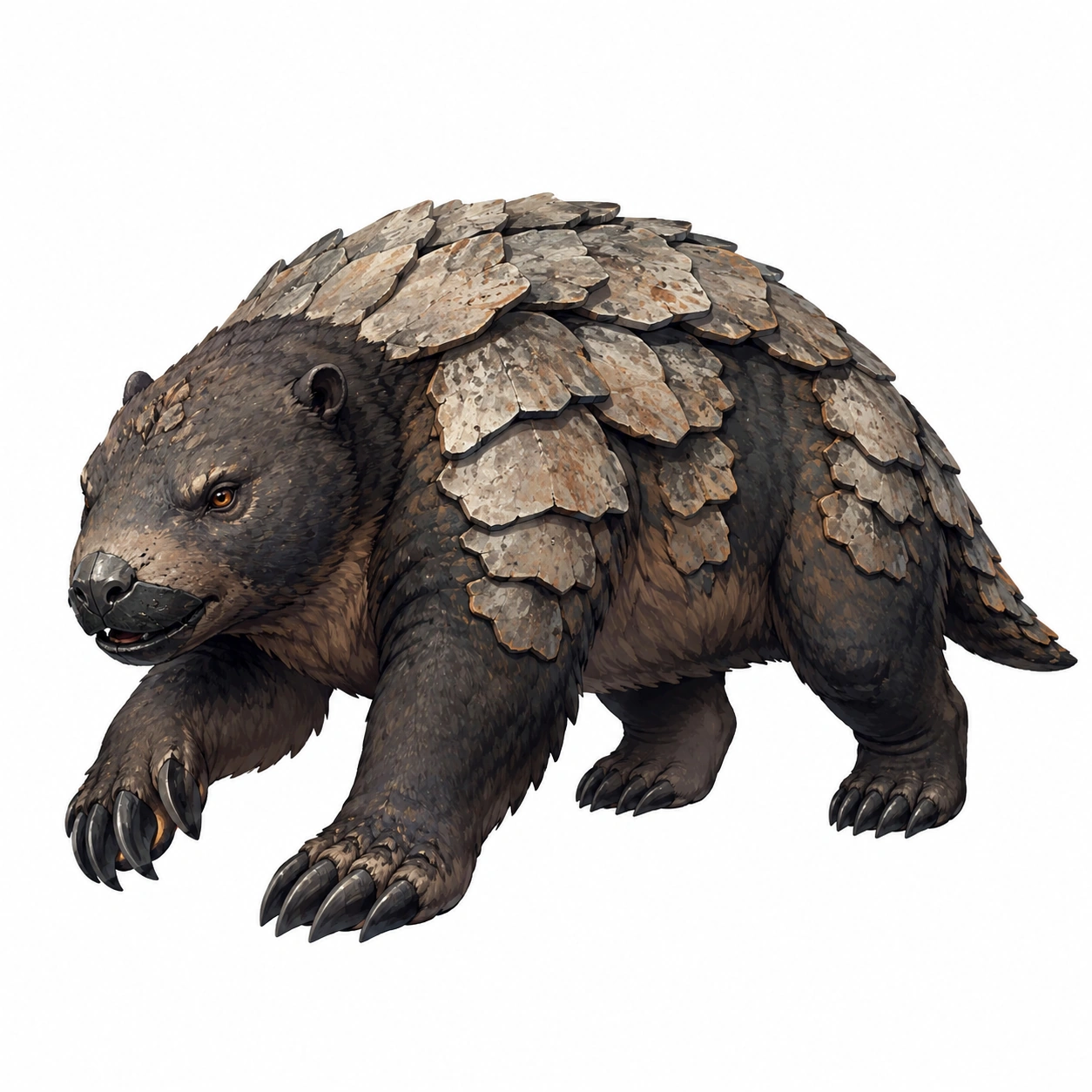 FIELD DOSSIER
Magmara are heavy quadrupeds whose mineral plates shed extreme heat. Small packs den beside stable vents and briefly carry molten material in specialized mouth and claw structures.
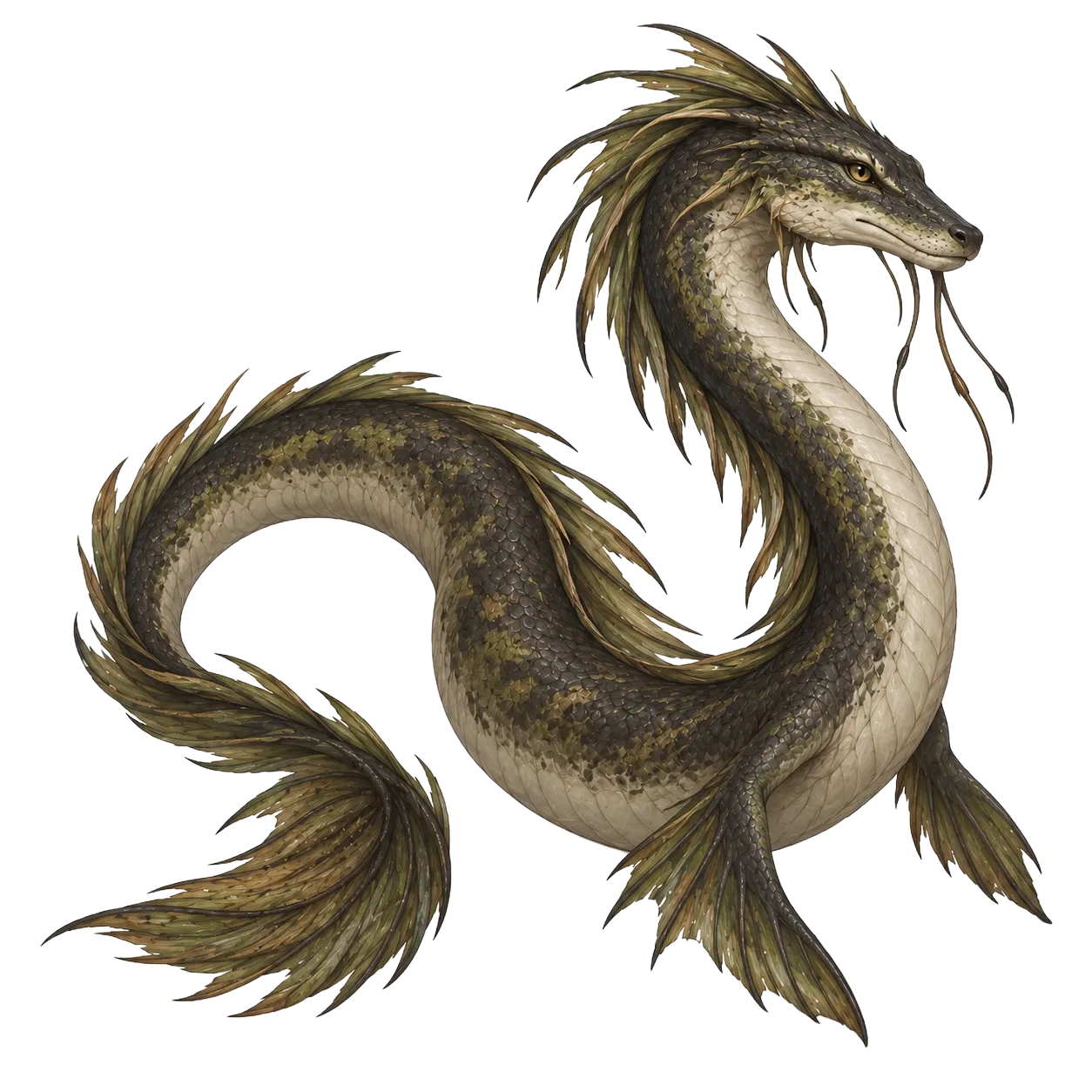 FIELD DOSSIER
Mirecoil are long-bodied semi-aquatic fenborn that brace against roots with rows of small ventral hooks. Enlarged jaw muscles let them crack freshwater shellfish while their vibration-sensitive lower jaw detects movement through mud.
 FIELD DOSSIER
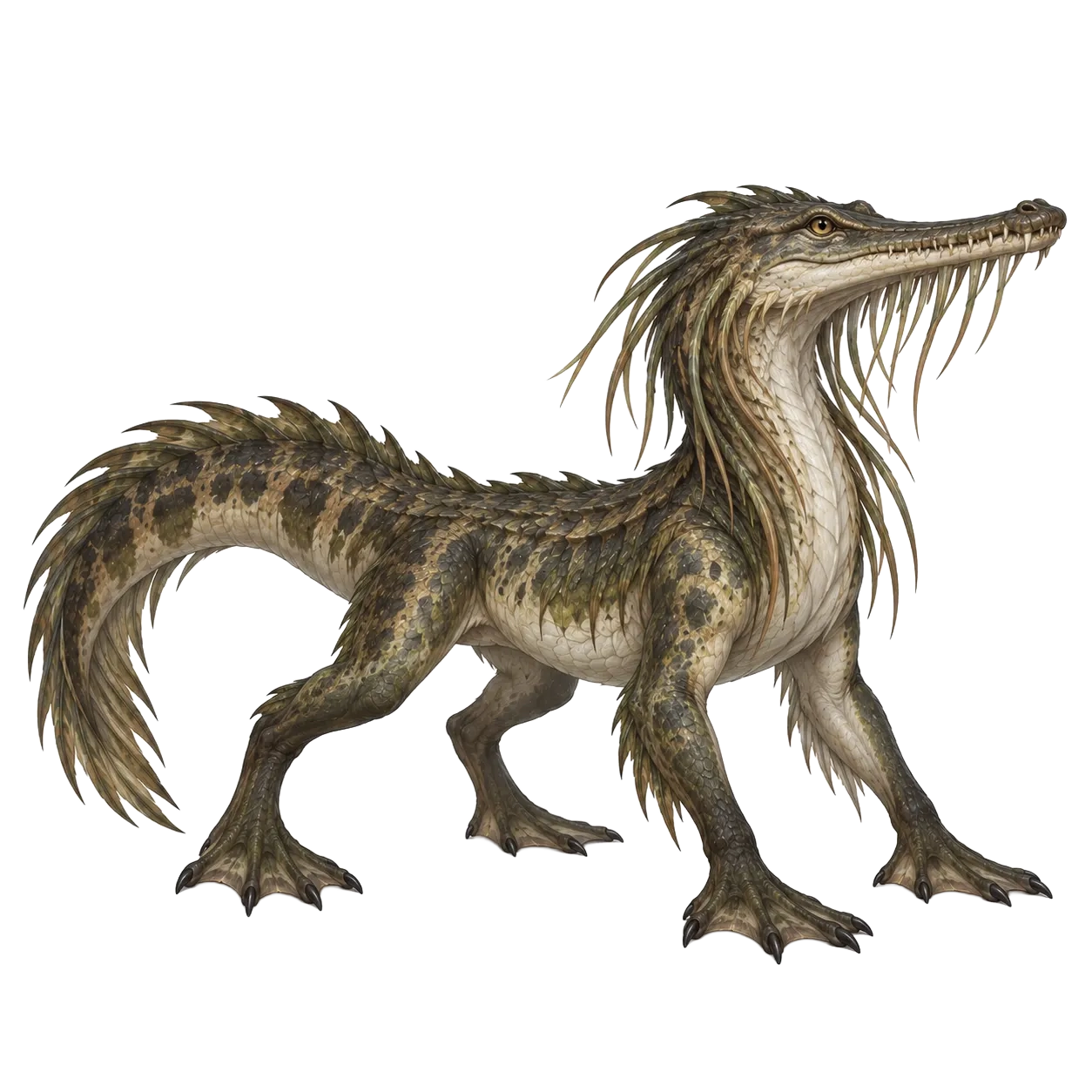
Reedjaw are low-slung amphibious fenborn with broad crushing jaws and a reinforced chest used to force paths through dense reeds. They feed on shellfish, tough marsh plants, and carrion rather than actively hunting large prey.
 FIELD DOSSIER
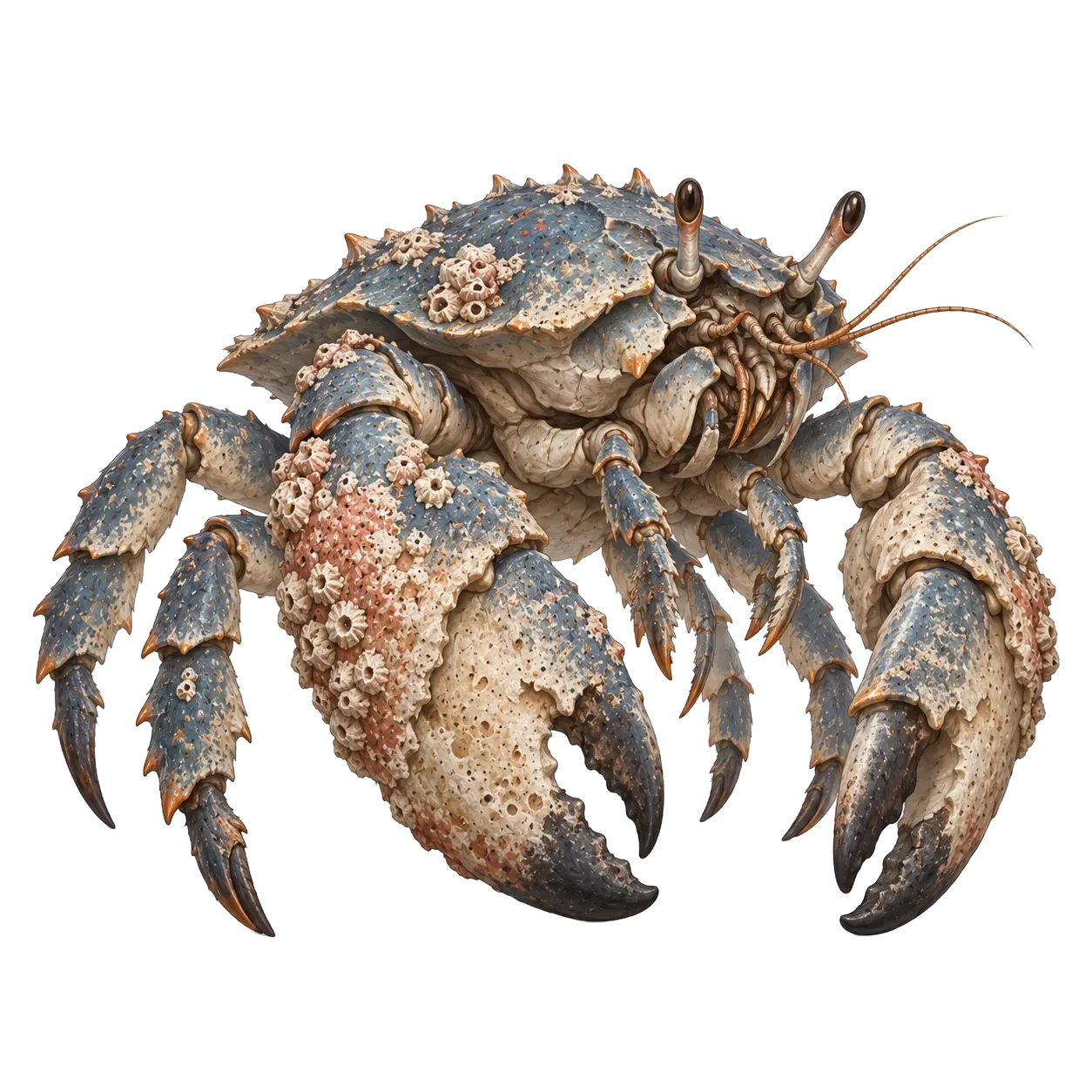
Reefknuckle are broad-bodied crustacean-like fenborn with two reinforced striking forelimbs and smaller dexterous feeding arms. They break dead coral rubble and shell to reach prey rather than attacking living reef structure.
 FIELD DOSSIER
Rimeback are massive cold-adapted grazers with hollow guard hairs and a ridged fatty crest over the spine. Snow freezes onto the outer coat while dense underfur remains dry, forming a temporary shell against wind.
 FIELD DOSSIER
Rootmaw are heavy detritivorous fenborn with shovel-like lower tusks and enormous forelimbs. They tear apart rotten logs for grubs and mineral-rich fungi, swallowing large quantities of decayed wood and soil.
 FIELD DOSSIER
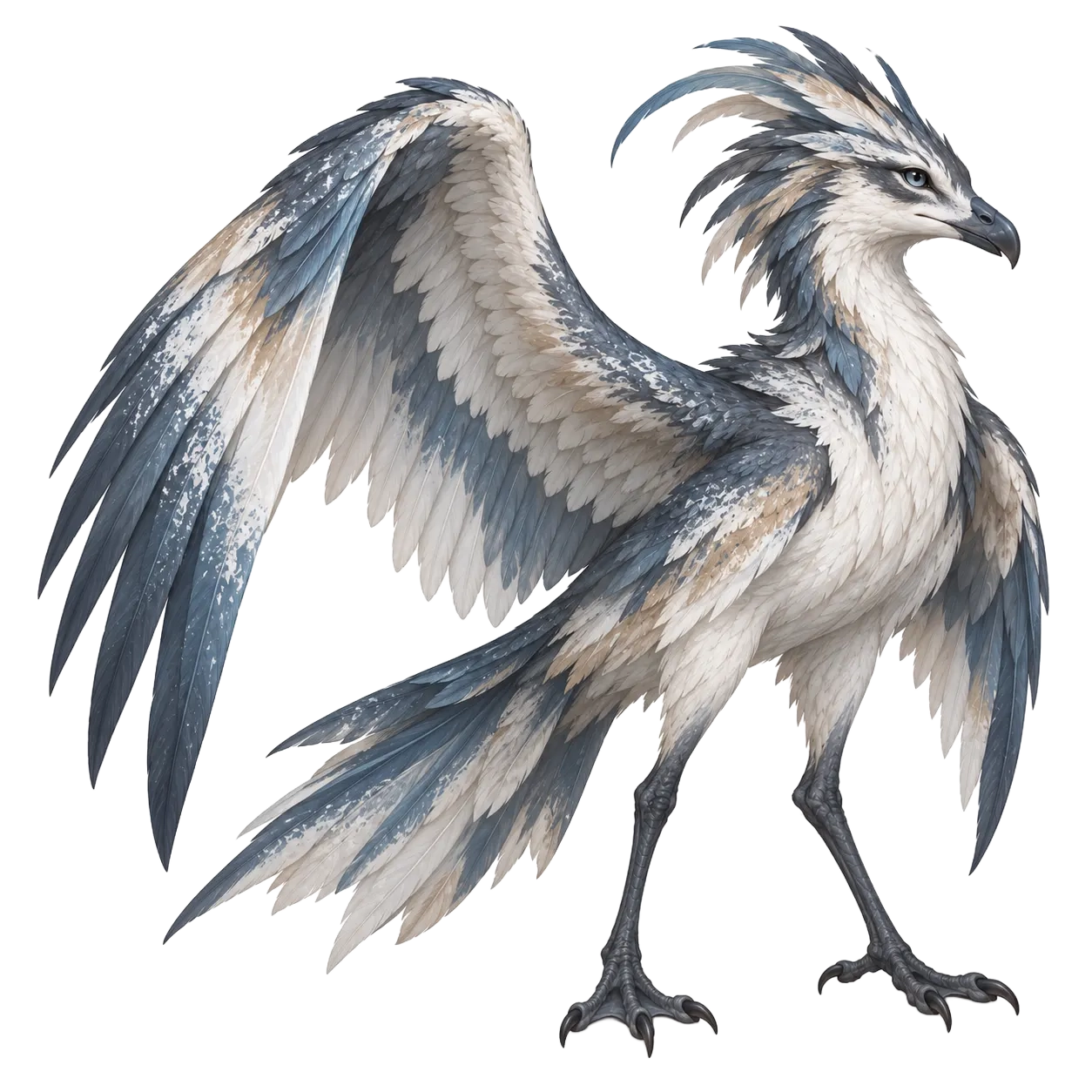
Saltwing are long-winged coastal fenborn with specialized nasal glands that expel concentrated salt. They can drink seawater during long flights and nest on narrow ledges inaccessible to most terrestrial predators.
 FIELD DOSSIER
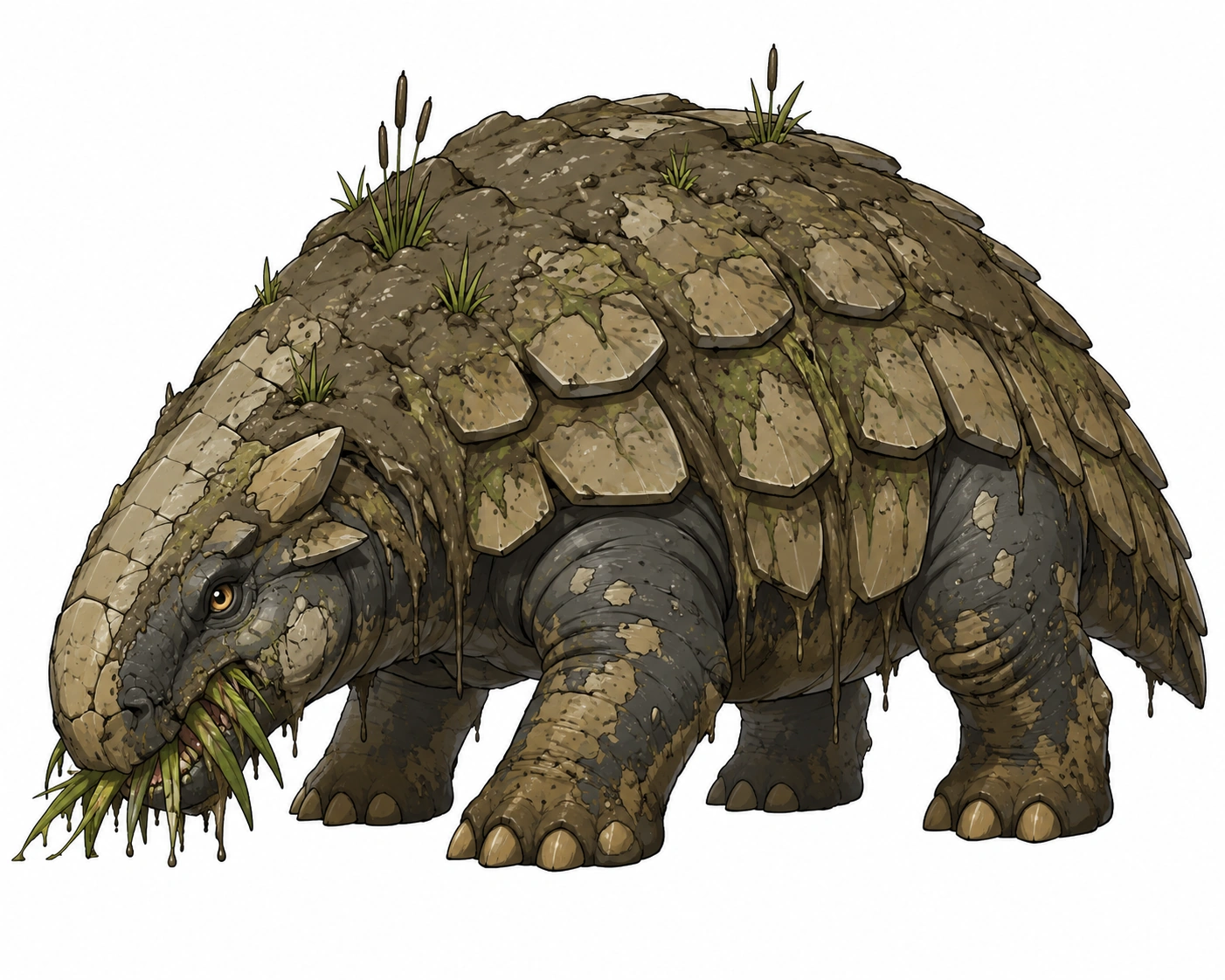
Siltback are massive marsh grazers whose overlapping keratin plates trap wet silt across the body. The mud layer regulates skin temperature, discourages biting insects, and makes adults exceptionally difficult to dislodge.
 FIELD DOSSIER
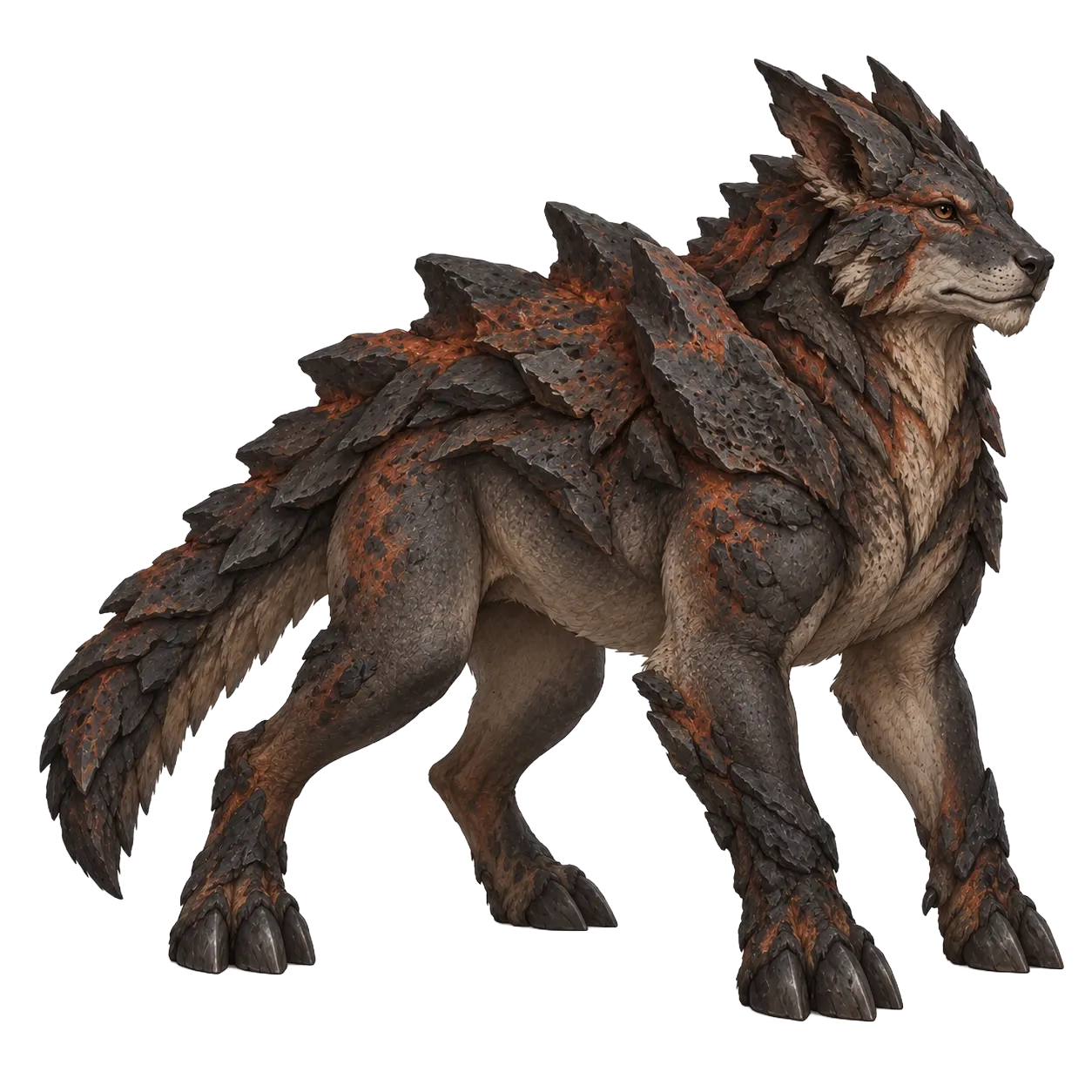
Slagback are immense heat-tolerant fenborn with thick dorsal plates threaded by blood-rich cooling channels. They graze mineral crusts and heat-resistant lichens while spending the hottest hours half-buried in loose slag.
 FIELD DOSSIER
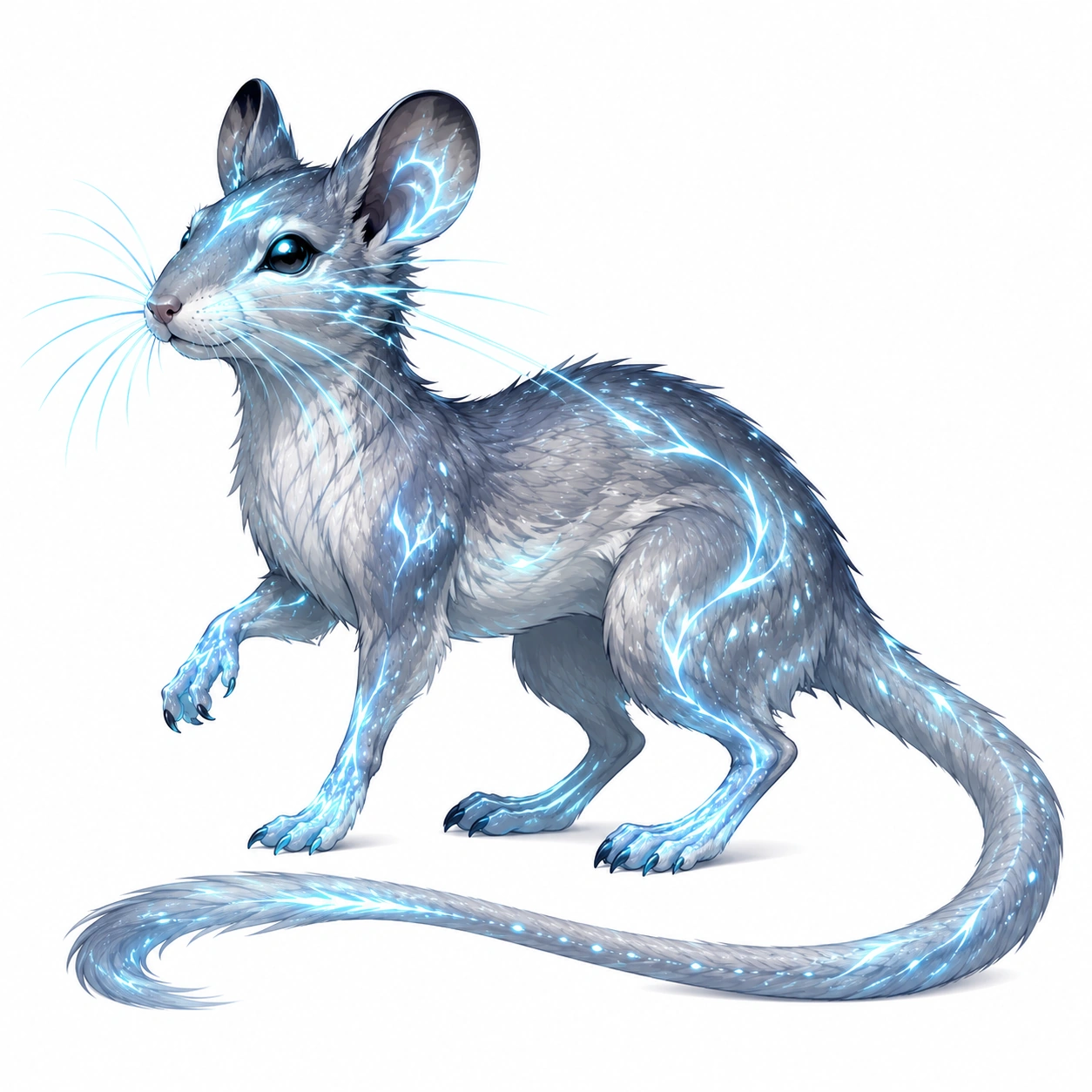
Snøløve are lean cold-city fenborn that map heat leaking from pipes, walls, tramworks, and occupied basements, revisiting routes as weather changes.
 FIELD DOSSIER
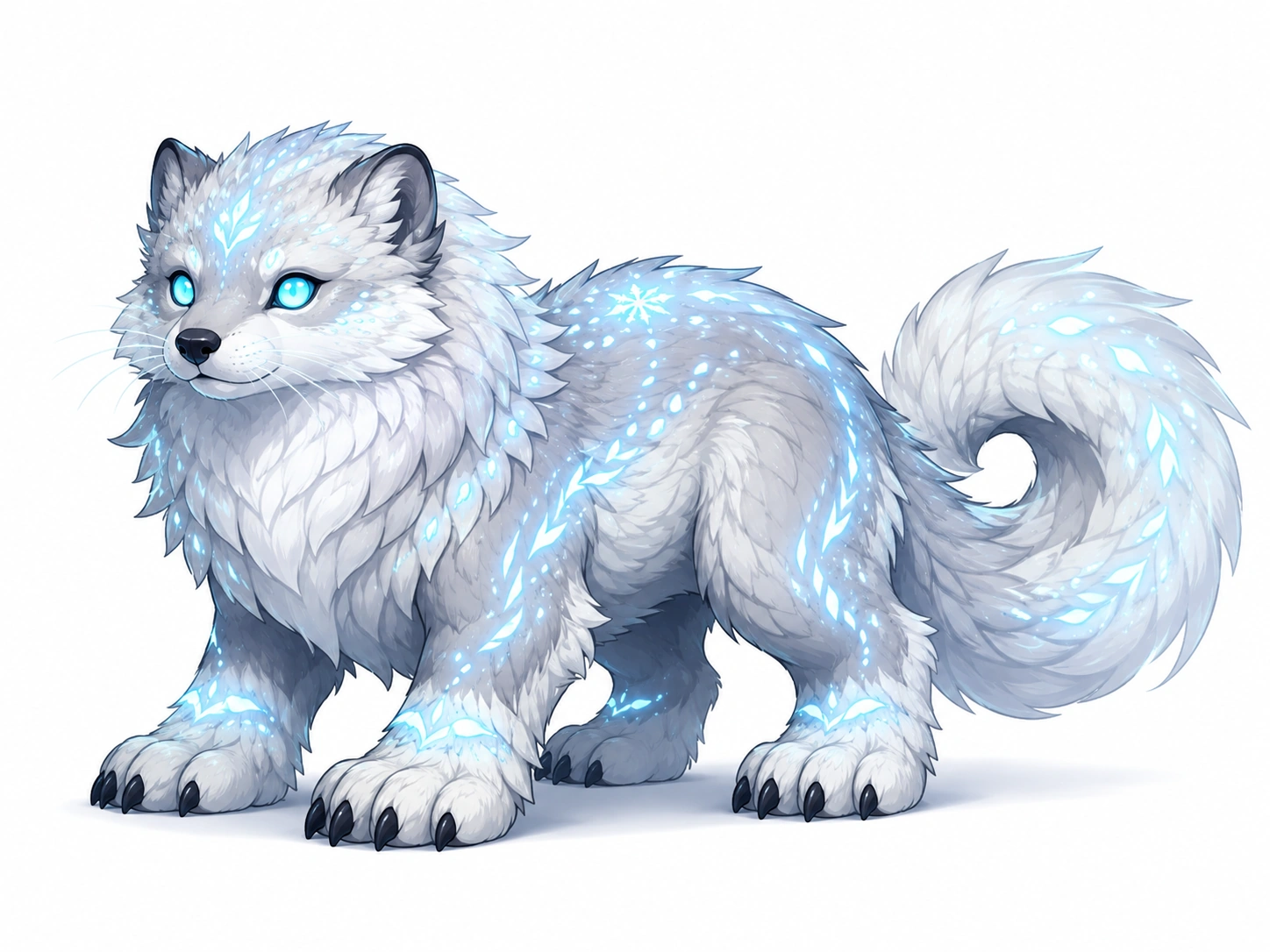
Snowfluff are compact winter fenborn with layered insulating fur and broad paws. They construct and maintain sub-snow tunnels instead of merely hiding in them.
 FIELD DOSSIER
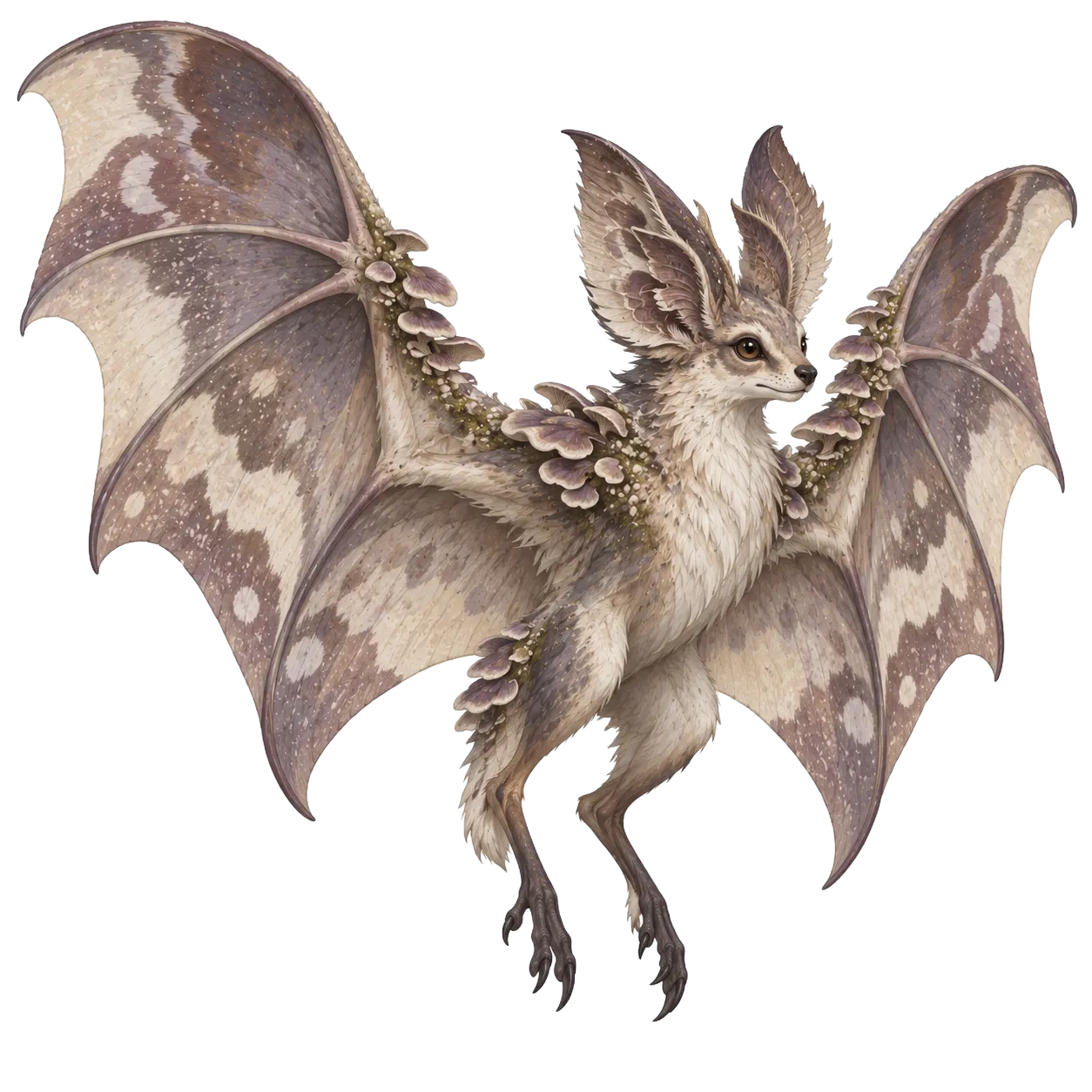
Sporewing are large nocturnal gliding fenborn with velvet wing membranes that collect fungal spores as they brush against fruiting bodies. Specialized facial combs clean the membranes and redistribute spores along habitual routes.
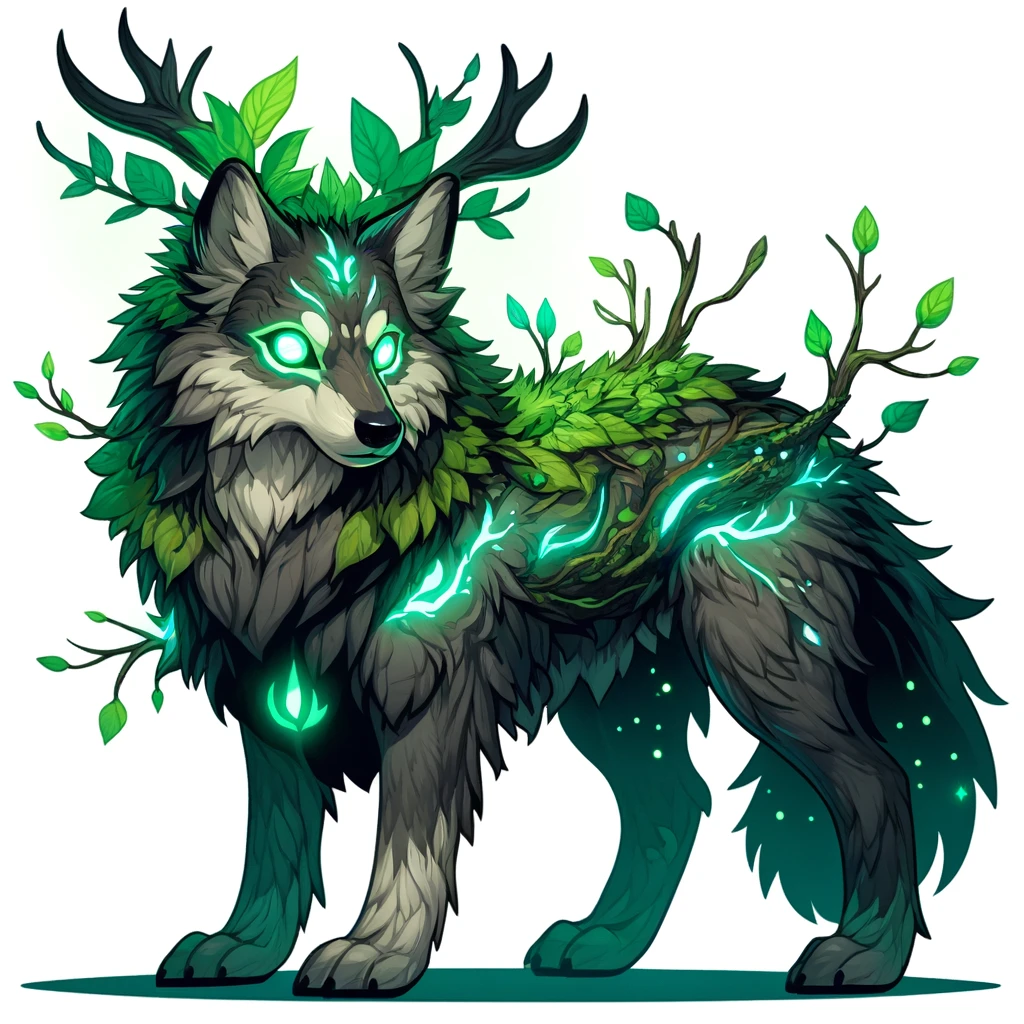 FOUNDING SPECIES
SylvanHowl are territorial Lumaweald guardians with retractable thorns and coats that carry irritating plant oils. They are socially discerning and protective rather than universally aggressive.
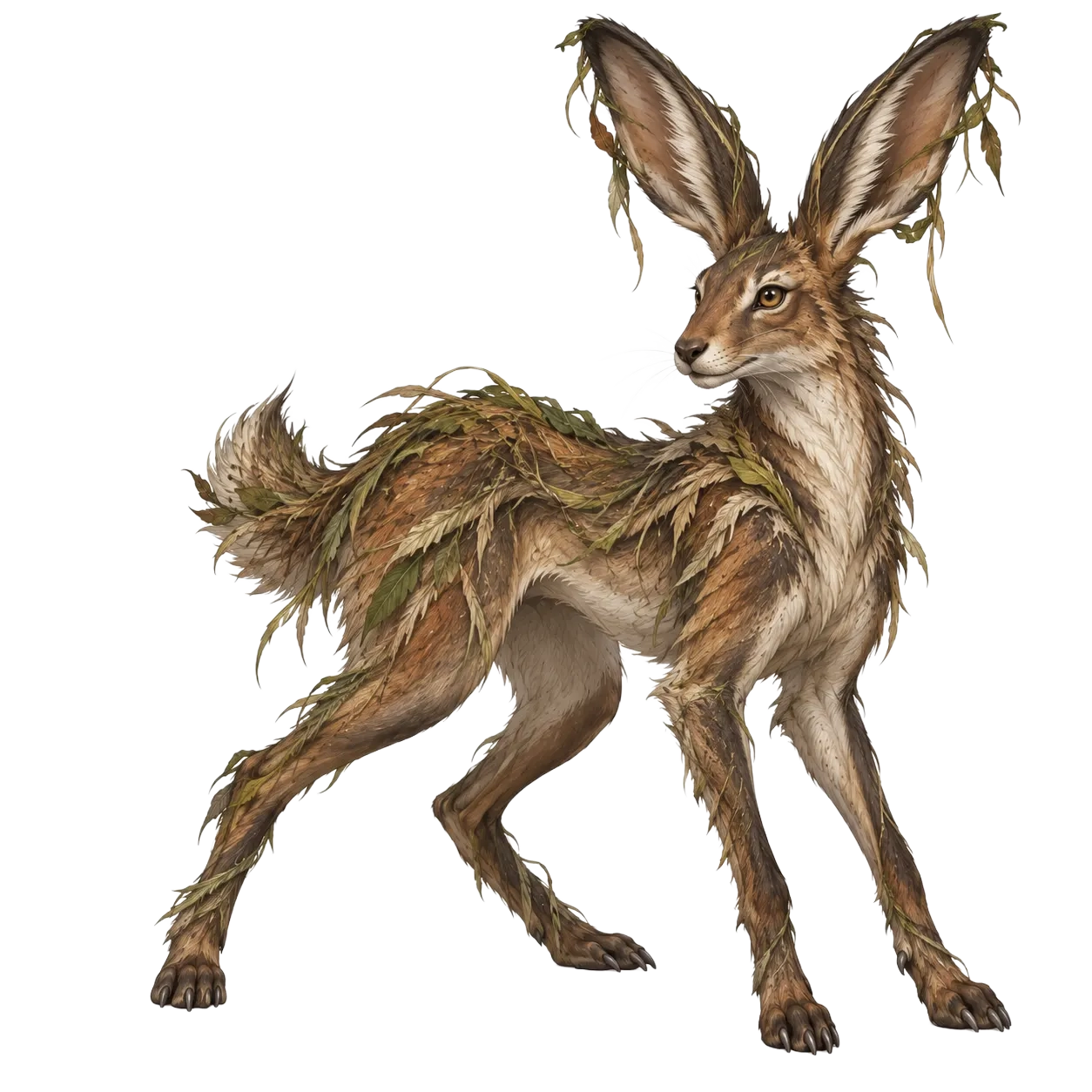 FIELD DOSSIER
Tanglehare are long-legged browsing fenborn with split outer toes and hooked dewclaws that let them pivot through dense vine tangles at speed. Their whiskers are unusually long and help map narrow passages in low light.
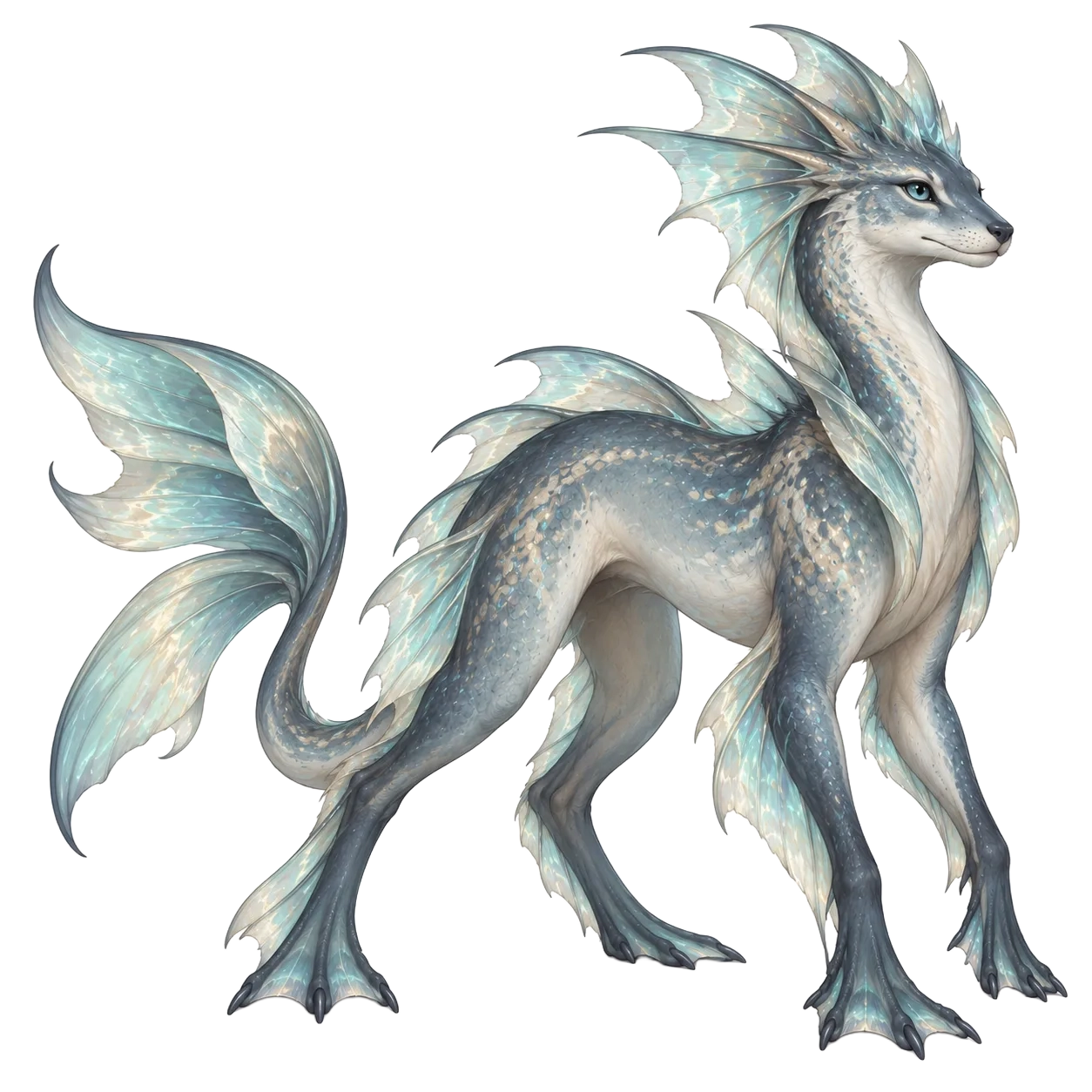 FIELD DOSSIER
Tideglass are translucent schooling fenborn whose skin contains layered reflective cells that shift from nearly clear to mirror-bright as muscles contract. The display coordinates schools and confuses pursuing predators.
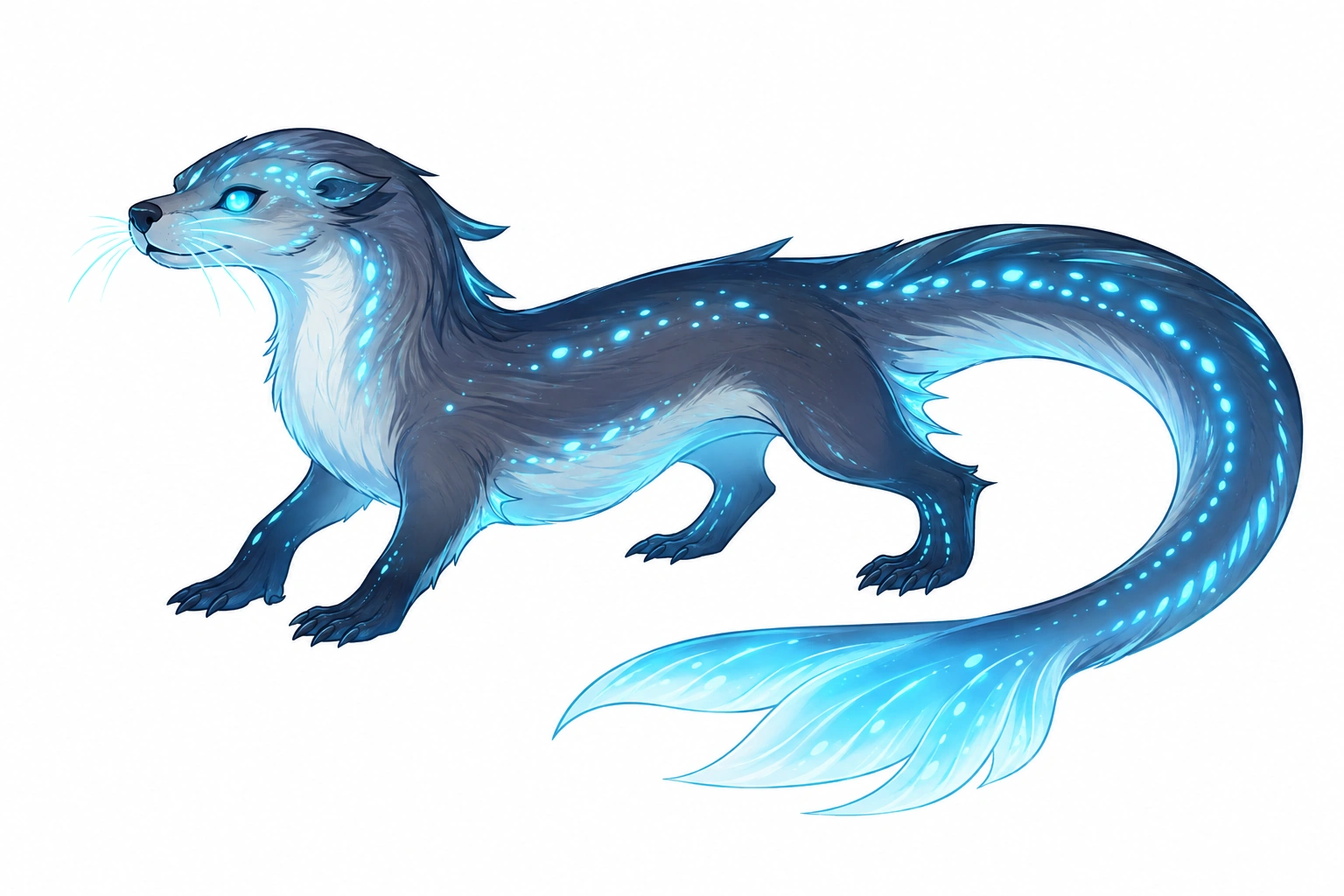 FIELD DOSSIER
Vattenfira are semi-aquatic fenborn with luminous tail organs used for signaling and navigation in turbid water. Adults may reach eight feet from nose to tail.
 FIELD DOSSIER
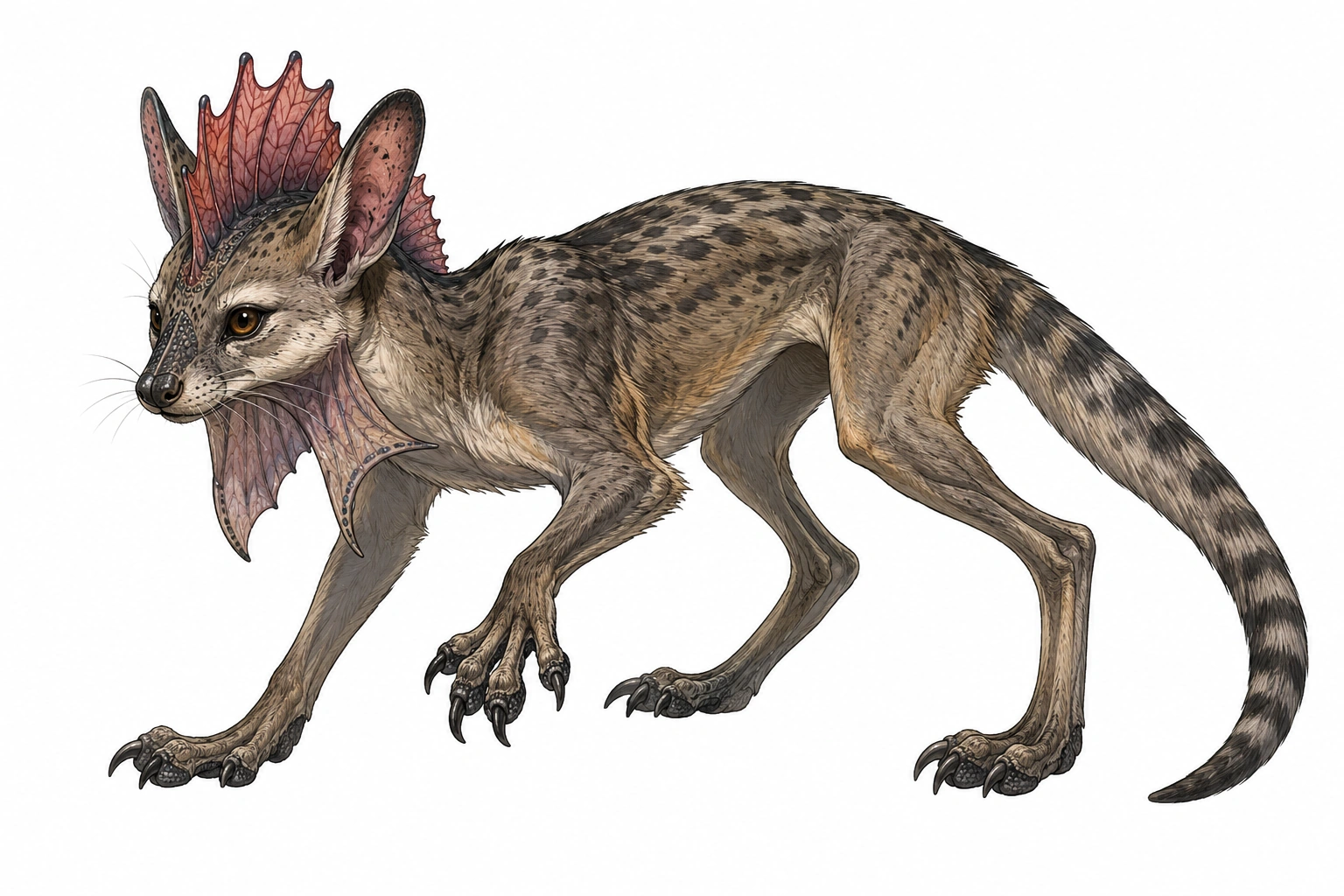
Ventcrest are lean cave fenborn with a vascular crest that opens to dump heat rapidly after crossing hot ground. Sensitive throat membranes detect changes in airflow and gas concentration before most people can smell them.
First Reed checks room, supplies, fee, and the creature's current care plan before supervised attunement begins.